
Guides
Romestead Farming Guide: Food, Crops, and Settlement Safety
Quick Answer
In Romestead, farm small and close at first. Food should support players, citizens, and settlement growth before you expand into large crop fields, fishing routes, seed tests, automation, or decoration.
Food Chain Finder
Search Food, Bread, Storage, And Automation Stalls
Search food-chain checks before adding more citizens, exporting surplus, or linking a route that touches pots or meals.Search Farm, Food, Bread, And Container Routes
Use these rows before scaling crops, Bakery work, pots, Garum, or citizen food chains.
Search and save the checks that matter to your current route.
Costs, footprints, workers, upgrades, town roles, and placement cautions.
Bosses, enemies, weaknesses, drop leads, and first-copy storage rules.
Shrines, quest gates, offerings, rare items, and routes that need save confirmation.
- Routenight defense
- RequirementLumber x1
- StatFootprint 1 x 1 tiles; Build progress 50; Needs town: No
- PayoffA target dummy that generates aggro
- ProtectStorage core, food chain, defense lane, and current construction stock.
- CheckConfirm exact cost, placement, worker access, and upgrade behavior in your current save before moving stored goods.
Place it where night pressure reaches storage, farms, or work lanes, then test the defense before expanding the town.
building / defense / night / aggro / dummy / footprint / cost- Routenight defense
- RequirementLumber x1; Quest: Fueling the Fires
- StatFootprint 2 x 2 tiles; Build progress 50; Needs town: No; Tier 1
- PayoffA ballista that can be loaded with ammo to fire automatically on enemies.
- ProtectStorage core, food chain, defense lane, and current construction stock.
- CheckConfirm exact cost, placement, worker access, and upgrade behavior in your current save before moving stored goods.
Place it where night pressure reaches storage, farms, or work lanes, then test the defense before expanding the town.
building / defense / night / automatic / scorpio / fueling / fires / footprint / cost- Routenight defense
- RequirementLumber x1 Stone x2
- StatFootprint 2 x 2 tiles; Build progress 50; Needs town: No; Tier 2
- PayoffA ballista that can be loaded with ammo to fire automatically on enemies. Deals more damage with higher upgrade ranks.
- ProtectStorage core, food chain, defense lane, and current construction stock.
- CheckConfirm exact cost, placement, worker access, and upgrade behavior in your current save before moving stored goods.
Place it where night pressure reaches storage, farms, or work lanes, then test the defense before expanding the town.
building / defense / night / automatic / scorpio / level / footprint / cost- Routenight defense
- RequirementLumber x1 Brick x2
- StatFootprint 2 x 2 tiles; Build progress 50; Needs town: No; Tier 3
- PayoffA ballista that can be loaded with ammo to fire automatically on enemies. Deals more damage with higher upgrade ranks.
- ProtectStorage core, food chain, defense lane, and current construction stock.
- CheckConfirm exact cost, placement, worker access, and upgrade behavior in your current save before moving stored goods.
Place it where night pressure reaches storage, farms, or work lanes, then test the defense before expanding the town.
building / defense / night / automatic / scorpio / level / footprint / cost- Routenight defense
- RequirementLumber x1 Concrete x2
- StatFootprint 2 x 2 tiles; Build progress 50; Needs town: No; Tier 4
- PayoffA ballista that can be loaded with ammo to fire automatically on enemies. Deals more damage with higher upgrade ranks.
- ProtectStorage core, food chain, defense lane, and current construction stock.
- CheckConfirm exact cost, placement, worker access, and upgrade behavior in your current save before moving stored goods.
Place it where night pressure reaches storage, farms, or work lanes, then test the defense before expanding the town.
building / defense / night / automatic / scorpio / level / footprint / cost- Routenight defense
- RequirementLumber x1
- StatFootprint 2 x 2 tiles; Build progress 50; Needs town: No
- PayoffAutomatic Scorpio Enemy: build cost (1x Lumber), 2x2 footprint in Romestead.
- ProtectStorage core, food chain, defense lane, and current construction stock.
- CheckConfirm exact cost, placement, worker access, and upgrade behavior in your current save before moving stored goods.
Place it where night pressure reaches storage, farms, or work lanes, then test the defense before expanding the town.
building / defense / night / automatic / scorpio / enemy / footprint / cost- Routefood chain
- RequirementLumber x5 Stone x2 Clay x3; Quest: Fruits of the Harvest; Worker: Baker
- StatFootprint 7 x 8 tiles; Build progress 150; Needs town: No; Tier 1
- PayoffHouses a baker who can make various breads from grains.
- ProtectFood floor, pots, crop inputs, fish, and finished meals.
- CheckConfirm exact cost, placement, worker access, and upgrade behavior in your current save before moving stored goods.
Build only when crop, pot, fish, or storage pressure is ready to support the food chain.
building / food / chain / bakery / fruits / harvest / baker / footprint / cost- Routefood chain
- RequirementLumber x5 Stone x5 Brick x5; Worker: Baker Upgrade level 1
- StatFootprint 7 x 8 tiles; Build progress 150; Needs town: No; Tier 2
- PayoffHouses a baker who can make various breads from grains. Max baker rank increased to 7.
- ProtectFood floor, pots, crop inputs, fish, and finished meals.
- CheckConfirm exact cost, placement, worker access, and upgrade behavior in your current save before moving stored goods.
Build only when crop, pot, fish, or storage pressure is ready to support the food chain.
building / food / chain / bakery / level / baker / upgrade / footprint / cost- Routefood chain
- RequirementLumber x2 Stone x2 Brick x5 Concrete x3; Worker: Baker Upgrade level 2
- StatFootprint 7 x 8 tiles; Build progress 150; Needs town: No; Tier 3
- PayoffHouses a baker who can make various breads from grains. Max baker rank increased to 10.
- ProtectFood floor, pots, crop inputs, fish, and finished meals.
- CheckConfirm exact cost, placement, worker access, and upgrade behavior in your current save before moving stored goods.
Build only when crop, pot, fish, or storage pressure is ready to support the food chain.
building / food / chain / bakery / level / baker / upgrade / footprint / cost- Routesettlement route
- RequirementLumber x8 Stone x6
- StatFootprint 12 x 6 tiles; Build progress 150; Needs town: No
- PayoffBarracks
- ProtectStorage core, food chain, defense lane, and current construction stock.
- CheckConfirm exact cost, placement, worker access, and upgrade behavior in your current save before moving stored goods.
Place it only when it fixes the active blocker instead of adding another thing to defend.
building / settlement / route / barracks / footprint / cost- Routenight defense
- RequirementFree — no materials required.
- StatFootprint 1 x 1 tiles; Needs town: No
- PayoffBarricade: build cost (free to build), 1x1 footprint in Romestead.
- ProtectStorage core, food chain, defense lane, and current construction stock.
- CheckConfirm exact cost, placement, worker access, and upgrade behavior in your current save before moving stored goods.
Place it where night pressure reaches storage, farms, or work lanes, then test the defense before expanding the town.
building / defense / night / barricade / footprint- Routecitizen housing
- RequirementLumber x8 Stone x6
- StatFootprint 7 x 6 tiles; Build progress 150; Needs town: No
- PayoffBathhouse
- ProtectStorage core, food chain, defense lane, and current construction stock.
- CheckConfirm exact cost, placement, worker access, and upgrade behavior in your current save before moving stored goods.
Build housing before recruiting more citizens, then check food storage and jobs before expanding again.
building / housing / citizen / bathhouse / footprint / cost- Routecitizen housing
- RequirementFree — no materials required.
- StatFootprint 2 x 3 tiles; Needs town: No
- PayoffBed: build cost (free to build), 2x3 footprint in Romestead.
- ProtectStorage core, food chain, defense lane, and current construction stock.
- CheckConfirm exact cost, placement, worker access, and upgrade behavior in your current save before moving stored goods.
Build housing before recruiting more citizens, then check food storage and jobs before expanding again.
building / housing / citizen / bed / footprint- Routefood chain
- RequirementClay x3
- StatFootprint 2 x 2 tiles; Build progress 50; Needs town: Yes
- PayoffGenerates honeycombs.
- ProtectFood floor, pots, crop inputs, fish, and finished meals.
- CheckConfirm exact cost, placement, worker access, and upgrade behavior in your current save before moving stored goods.
Build only when crop, pot, fish, or storage pressure is ready to support the food chain.
building / food / chain / beehive / footprint / cost- Routestorage and hauling
- RequirementLumber x1 Ash x1 Variants Other versions of this building you can place instead. Wooden Bucket Lumber x 1 Wooden Bucket (Ash) Current Lumber x 1 Ash x 1 Wooden Bucket (Clay) Lumber x 1 Clay x 1 Wooden Bucket (Concrete) Lumber x 1 Concrete x 1 Wooden Bucket (Water) Lumber x 1 Water x 1
- StatFootprint 1 x 1 tiles; Build progress 50; Needs town: No
- PayoffWooden Bucket (Ash): build cost (1x Lumber, 1x Ash), 1x1 footprint in Romestead.
- ProtectFirst-copy rare goods and current build materials.
- CheckConfirm exact cost, placement, worker access, and upgrade behavior in your current save before moving stored goods.
Place it near the production core and split food, build goods, rare goods, and trade surplus.
building / storage / hauling / wooden / bucket / ash / footprint / cost- Routestorage and hauling
- RequirementLumber x1 Clay x1 Variants Other versions of this building you can place instead. Wooden Bucket Lumber x 1 Wooden Bucket (Ash) Lumber x 1 Ash x 1 Wooden Bucket (Clay) Current Lumber x 1 Clay x 1 Wooden Bucket (Concrete) Lumber x 1 Concrete x 1 Wooden Bucket (Water) Lumber x 1 Water x 1
- StatFootprint 1 x 1 tiles; Build progress 50; Needs town: No
- PayoffWooden Bucket (Clay): build cost (1x Lumber, 1x Clay), 1x1 footprint in Romestead.
- ProtectFirst-copy rare goods and current build materials.
- CheckConfirm exact cost, placement, worker access, and upgrade behavior in your current save before moving stored goods.
Place it near the production core and split food, build goods, rare goods, and trade surplus.
building / storage / hauling / wooden / bucket / clay / footprint / cost- Routestorage and hauling
- RequirementLumber x1 Concrete x1 Variants Other versions of this building you can place instead. Wooden Bucket Lumber x 1 Wooden Bucket (Ash) Lumber x 1 Ash x 1 Wooden Bucket (Clay) Lumber x 1 Clay x 1 Wooden Bucket (Concrete) Current Lumber x 1 Concrete x 1 Wooden Bucket (Water) Lumber x 1 Water x 1
- StatFootprint 1 x 1 tiles; Build progress 50; Needs town: No
- PayoffWooden Bucket (Concrete): build cost (1x Lumber, 1x Concrete), 1x1 footprint in Romestead.
- ProtectFirst-copy rare goods and current build materials.
- CheckConfirm exact cost, placement, worker access, and upgrade behavior in your current save before moving stored goods.
Place it near the production core and split food, build goods, rare goods, and trade surplus.
building / storage / hauling / wooden / bucket / concrete / footprint / cost- Routestorage and hauling
- RequirementLumber x1 Water x1 Variants Other versions of this building you can place instead. Wooden Bucket Lumber x 1 Wooden Bucket (Ash) Lumber x 1 Ash x 1 Wooden Bucket (Clay) Lumber x 1 Clay x 1 Wooden Bucket (Concrete) Lumber x 1 Concrete x 1 Wooden Bucket (Water) Current Lumber x 1 Water x 1
- StatFootprint 1 x 1 tiles; Build progress 50; Needs town: No
- PayoffWooden Bucket (Water): build cost (1x Lumber, 1x Water), 1x1 footprint in Romestead.
- ProtectFirst-copy rare goods and current build materials.
- CheckConfirm exact cost, placement, worker access, and upgrade behavior in your current save before moving stored goods.
Place it near the production core and split food, build goods, rare goods, and trade surplus.
building / storage / hauling / wooden / bucket / water / footprint / cost- Routestorage and hauling
- RequirementLumber x1 Variants Other versions of this building you can place instead. Wooden Bucket Current Lumber x 1 Wooden Bucket (Ash) Lumber x 1 Ash x 1 Wooden Bucket (Clay) Lumber x 1 Clay x 1 Wooden Bucket (Concrete) Lumber x 1 Concrete x 1 Wooden Bucket (Water) Lumber x 1 Water x 1
- StatFootprint 1 x 1 tiles; Build progress 50; Needs town: No
- PayoffUsed to carry water, clay and other liquids.
- ProtectFirst-copy rare goods and current build materials.
- CheckConfirm exact cost, placement, worker access, and upgrade behavior in your current save before moving stored goods.
Place it near the production core and split food, build goods, rare goods, and trade surplus.
building / storage / hauling / wooden / bucket / footprint / cost- Routesettlement route
- RequirementFree — no materials required.
- StatFootprint 2 x 1 tiles; Needs town: No
- PayoffCamerabench: build cost (free to build), 2x1 footprint in Romestead.
- ProtectStorage core, food chain, defense lane, and current construction stock.
- CheckConfirm exact cost, placement, worker access, and upgrade behavior in your current save before moving stored goods.
Place it only when it fixes the active blocker instead of adding another thing to defend.
building / settlement / route / camerabench / footprint- Routesettlement route
- RequirementFree — no materials required.
- StatFootprint 1 x 1 tiles; Needs town: No
- PayoffCampfire: build cost (free to build), 1x1 footprint in Romestead.
- ProtectStorage core, food chain, defense lane, and current construction stock.
- CheckConfirm exact cost, placement, worker access, and upgrade behavior in your current save before moving stored goods.
Place it only when it fixes the active blocker instead of adding another thing to defend.
building / settlement / route / campfire / footprint- Routestorage and hauling
- RequirementLumber x3 Variants Other versions of this building you can place instead. Bronze Cart Lumber x 3 Wooden Cart Current Lumber x 3
- StatFootprint 3 x 2 tiles; Build progress 90; Needs town: No
- PayoffHolds up to 4 resources. Can be connected into a chain with other carts.
- ProtectFirst-copy rare goods and current build materials.
- CheckConfirm exact cost, placement, worker access, and upgrade behavior in your current save before moving stored goods.
Place it near the production core and split food, build goods, rare goods, and trade surplus.
building / storage / hauling / wooden / cart / footprint / cost- Routestorage and hauling
- RequirementLumber x3 Variants Other versions of this building you can place instead. Bronze Cart Current Lumber x 3 Wooden Cart Lumber x 3
- StatFootprint 3 x 2 tiles; Build progress 200; Needs town: No
- PayoffBronze Cart: build cost (3x Lumber), 3x2 footprint in Romestead.
- ProtectFirst-copy rare goods and current build materials.
- CheckConfirm exact cost, placement, worker access, and upgrade behavior in your current save before moving stored goods.
Place it near the production core and split food, build goods, rare goods, and trade surplus.
building / storage / hauling / bronze / cart / footprint / cost- Routenight defense
- RequirementLumber x1 Stone x2 Clay x1
- StatFootprint 3 x 3 tiles; Build progress 70; Needs town: No; Tier 2
- PayoffCan catapult throwables far away, dealing higher damage. Damage increased significantly against structures.
- ProtectStorage core, food chain, defense lane, and current construction stock.
- CheckConfirm exact cost, placement, worker access, and upgrade behavior in your current save before moving stored goods.
Place it where night pressure reaches storage, farms, or work lanes, then test the defense before expanding the town.
building / defense / night / stationary / catapult / level / footprint / cost- Routenight defense
- RequirementLumber x2 Brick x3
- StatFootprint 3 x 3 tiles; Build progress 90; Needs town: No; Tier 3
- PayoffCan catapult throwables far away, dealing higher damage. Damage increased significantly against structures.
- ProtectStorage core, food chain, defense lane, and current construction stock.
- CheckConfirm exact cost, placement, worker access, and upgrade behavior in your current save before moving stored goods.
Place it where night pressure reaches storage, farms, or work lanes, then test the defense before expanding the town.
building / defense / night / stationary / catapult / level / footprint / cost- Routenight defense
- RequirementLumber x1 Stone x1
- StatFootprint 3 x 3 tiles; Build progress 50; Needs town: No; Tier 1
- PayoffCan catapult throwables far away, dealing higher damage. Damage increased significantly against structures.
- ProtectStorage core, food chain, defense lane, and current construction stock.
- CheckConfirm exact cost, placement, worker access, and upgrade behavior in your current save before moving stored goods.
Place it where night pressure reaches storage, farms, or work lanes, then test the defense before expanding the town.
building / defense / night / stationary / catapult / footprint / cost- Routefood chain
- RequirementFree — no materials required.
- StatFootprint 1 x 1 tiles; Needs town: No
- PayoffCauldron: build cost (free to build), 1x1 footprint in Romestead.
- ProtectFood floor, pots, crop inputs, fish, and finished meals.
- CheckConfirm exact cost, placement, worker access, and upgrade behavior in your current save before moving stored goods.
Build only when crop, pot, fish, or storage pressure is ready to support the food chain.
building / food / chain / cauldron / footprint- Routesettlement route
- RequirementStone x2
- StatFootprint 2 x 2 tiles; Build progress 50; Needs town: No
- PayoffDeals fire damage to all creatures standing on it. Also emits light.
- ProtectStorage core, food chain, defense lane, and current construction stock.
- CheckConfirm exact cost, placement, worker access, and upgrade behavior in your current save before moving stored goods.
Place it only when it fixes the active blocker instead of adding another thing to defend.
building / settlement / route / coal / trap / footprint / cost- Routesettlement route
- RequirementFree — no materials required.
- StatFootprint 3 x 3 tiles; Needs town: No
- PayoffWar Table: build cost (free to build), 3x3 footprint in Romestead.
- ProtectStorage core, food chain, defense lane, and current construction stock.
- CheckConfirm exact cost, placement, worker access, and upgrade behavior in your current save before moving stored goods.
Place it only when it fixes the active blocker instead of adding another thing to defend.
building / settlement / route / war / table / footprint- Routesettlement route
- RequirementLumber x4
- StatFootprint 2 x 2 tiles; Build progress 90; Needs town: No
- PayoffProvides light
- ProtectStorage core, food chain, defense lane, and current construction stock.
- CheckConfirm exact cost, placement, worker access, and upgrade behavior in your current save before moving stored goods.
Place it only when it fixes the active blocker instead of adding another thing to defend.
building / settlement / route / bonfire / footprint / cost- Routesettlement route
- RequirementLumber x4
- StatFootprint 2 x 2 tiles; Build progress 90; Needs town: No
- PayoffProvides light
- ProtectStorage core, food chain, defense lane, and current construction stock.
- CheckConfirm exact cost, placement, worker access, and upgrade behavior in your current save before moving stored goods.
Place it only when it fixes the active blocker instead of adding another thing to defend.
building / settlement / route / bonfire / footprint / cost- Routesettlement route
- RequirementLumber x4
- StatFootprint 2 x 2 tiles; Build progress 90; Needs town: No
- PayoffProvides light
- ProtectStorage core, food chain, defense lane, and current construction stock.
- CheckConfirm exact cost, placement, worker access, and upgrade behavior in your current save before moving stored goods.
Place it only when it fixes the active blocker instead of adding another thing to defend.
building / settlement / route / bonfire / footprint / cost- Routesettlement route
- RequirementLumber x4
- StatFootprint 2 x 2 tiles; Build progress 90; Needs town: No
- PayoffProvides light
- ProtectStorage core, food chain, defense lane, and current construction stock.
- CheckConfirm exact cost, placement, worker access, and upgrade behavior in your current save before moving stored goods.
Place it only when it fixes the active blocker instead of adding another thing to defend.
building / settlement / route / bonfire / footprint / cost- Routesettlement route
- RequirementLumber x1
- StatFootprint 1 x 1 tiles; Build progress 90; Needs town: No; Tier 1
- PayoffProvides light
- ProtectStorage core, food chain, defense lane, and current construction stock.
- CheckConfirm exact cost, placement, worker access, and upgrade behavior in your current save before moving stored goods.
Place it only when it fixes the active blocker instead of adding another thing to defend.
building / settlement / route / brazier / footprint / cost- Routesettlement route
- RequirementBrick x1 Stone x1
- StatFootprint 1 x 1 tiles; Build progress 90; Needs town: No; Tier 2
- PayoffProvides light
- ProtectStorage core, food chain, defense lane, and current construction stock.
- CheckConfirm exact cost, placement, worker access, and upgrade behavior in your current save before moving stored goods.
Place it only when it fixes the active blocker instead of adding another thing to defend.
building / settlement / route / brazier / level / footprint / cost- Routesettlement route
- RequirementConcrete x1
- StatFootprint 1 x 1 tiles; Build progress 90; Needs town: No; Tier 3
- PayoffProvides light
- ProtectStorage core, food chain, defense lane, and current construction stock.
- CheckConfirm exact cost, placement, worker access, and upgrade behavior in your current save before moving stored goods.
Place it only when it fixes the active blocker instead of adding another thing to defend.
building / settlement / route / brazier / level / footprint / cost- Routelate layout
- RequirementStone x8
- StatFootprint 3 x 3 tiles; Build progress 180; Needs town: No; Tier 1
- PayoffFountain: build cost (8x Stone), 3x3 footprint in Romestead.
- ProtectStorage core, food chain, defense lane, and current construction stock.
- CheckConfirm exact cost, placement, worker access, and upgrade behavior in your current save before moving stored goods.
Place it only when it fixes the active blocker instead of adding another thing to defend.
building / decoration / late / layout / fountain / footprint / cost- Routelate layout
- RequirementStone x8
- StatFootprint 3 x 3 tiles; Build progress 180; Needs town: No; Tier 2
- PayoffFountain - Level 2: build cost (8x Stone), 3x3 footprint in Romestead.
- ProtectStorage core, food chain, defense lane, and current construction stock.
- CheckConfirm exact cost, placement, worker access, and upgrade behavior in your current save before moving stored goods.
Place it only when it fixes the active blocker instead of adding another thing to defend.
building / decoration / late / layout / fountain / level / footprint / cost- Routeroads and layout
- RequirementFree — no materials required.
- StatFootprint 1 x 1 tiles; Build progress 50; Needs town: No
- PayoffIncreases movement speed by 15%
- ProtectStorage core, food chain, defense lane, and current construction stock.
- CheckConfirm exact cost, placement, worker access, and upgrade behavior in your current save before moving stored goods.
Use it to keep carts, citizens, and players moving cleanly between storage, farms, and stations.
building / decoration / roads / layout / road / footprint- Routefood chain
- RequirementClay x3; Quest: The Scent of Memory
- StatFootprint 3 x 3 tiles; Build progress 50; Needs town: Yes
- PayoffUsed to create beer from wheat.
- ProtectFood floor, pots, crop inputs, fish, and finished meals.
- CheckConfirm exact cost, placement, worker access, and upgrade behavior in your current save before moving stored goods.
Build only when crop, pot, fish, or storage pressure is ready to support the food chain.
building / food / chain / beer / dolium / scent / memory / footprint / cost- Routefood chain
- RequirementClay x3; Quest: Honoring the Art
- StatFootprint 3 x 3 tiles; Build progress 50; Needs town: Yes
- PayoffUsed to create garum from fish.
- ProtectFood floor, pots, crop inputs, fish, and finished meals.
- CheckConfirm exact cost, placement, worker access, and upgrade behavior in your current save before moving stored goods.
Build only when crop, pot, fish, or storage pressure is ready to support the food chain.
building / food / chain / garum / dolium / honoring / art / footprint / cost- Routefood chain
- RequirementClay x3; Research: 20 x Research Paper
- StatFootprint 3 x 3 tiles; Build progress 50; Needs town: Yes
- PayoffUsed to create mead from honey.
- ProtectFood floor, pots, crop inputs, fish, and finished meals.
- CheckConfirm exact cost, placement, worker access, and upgrade behavior in your current save before moving stored goods.
Build only when crop, pot, fish, or storage pressure is ready to support the food chain.
building / food / chain / mead / dolium / research / paper / footprint / cost- Routefood chain
- RequirementClay x3 Worship upgrades Higher tiers of Olive Oil Dolium are unlocked by spending worship points in a god's tree, not built directly. Olive Oil Dolium Ceres · 1 p
- StatFootprint 3 x 3 tiles; Build progress 50; Needs town: Yes
- PayoffUsed to create olive oil from olive paste.
- ProtectFood floor, pots, crop inputs, fish, and finished meals.
- CheckConfirm exact cost, placement, worker access, and upgrade behavior in your current save before moving stored goods.
Build only when crop, pot, fish, or storage pressure is ready to support the food chain.
building / food / chain / olive / oil / dolium / footprint / cost- Routefood chain
- RequirementClay x3; Quest: In vino veritas
- StatFootprint 3 x 3 tiles; Build progress 50; Needs town: Yes
- PayoffUsed to create wine from grape paste.
- ProtectFood floor, pots, crop inputs, fish, and finished meals.
- CheckConfirm exact cost, placement, worker access, and upgrade behavior in your current save before moving stored goods.
Build only when crop, pot, fish, or storage pressure is ready to support the food chain.
building / food / chain / wine / dolium / vino / veritas / footprint / cost- Routesettlement route
- RequirementFree — no materials required.
- StatFootprint 1 x 1 tiles; Build progress 150; Needs town: No
- PayoffExplosive Pot: build cost (free to build), 1x1 footprint in Romestead.
- ProtectStorage core, food chain, defense lane, and current construction stock.
- CheckConfirm exact cost, placement, worker access, and upgrade behavior in your current save before moving stored goods.
Place it only when it fixes the active blocker instead of adding another thing to defend.
building / settlement / route / explosive / pot / footprint- Routefood chain
- RequirementFree — no materials required.
- StatFootprint 256 x 256 tiles; Build progress 80; Needs town: No
- PayoffGiant's Farm Land: build cost (free to build), 256x256 footprint in Romestead.
- ProtectFood floor, pots, crop inputs, fish, and finished meals.
- CheckConfirm exact cost, placement, worker access, and upgrade behavior in your current save before moving stored goods.
Build only when crop, pot, fish, or storage pressure is ready to support the food chain.
building / food / chain / giant / farm / land / footprint- Routefood chain
- RequirementFree — no materials required.
- StatFootprint 2 x 2 tiles; Build progress 80; Needs town: No
- PayoffPrepares the ground for planting seeds.
- ProtectFood floor, pots, crop inputs, fish, and finished meals.
- CheckConfirm exact cost, placement, worker access, and upgrade behavior in your current save before moving stored goods.
Build only when crop, pot, fish, or storage pressure is ready to support the food chain.
building / food / chain / farm / land / footprint- Routefood chain
- RequirementLumber x7 Stone x5; Quest: Honoring the Soil; Worker: Farmer
- StatFootprint 8 x 10 tiles; Build progress 150; Needs town: No; Tier 1
- PayoffHouses a farmer who can farm nearby crops.
- ProtectFood floor, pots, crop inputs, fish, and finished meals.
- CheckConfirm exact cost, placement, worker access, and upgrade behavior in your current save before moving stored goods.
Build only when crop, pot, fish, or storage pressure is ready to support the food chain.
building / food / chain / farmstead / honoring / soil / farmer / footprint / cost- Routefood chain
- RequirementLumber x4 Stone x4 Clay x4; Worker: Farmer Upgrade level 1
- StatFootprint 8 x 10 tiles; Build progress 150; Needs town: No; Tier 2
- PayoffHouses a farmer who can farm nearby crops. Max farmer rank increased to 7.
- ProtectFood floor, pots, crop inputs, fish, and finished meals.
- CheckConfirm exact cost, placement, worker access, and upgrade behavior in your current save before moving stored goods.
Build only when crop, pot, fish, or storage pressure is ready to support the food chain.
building / food / chain / farmstead / level / farmer / upgrade / footprint / cost- Routefood chain
- RequirementLumber x4 Stone x4 Brick x5; Worker: Farmer Upgrade level 2
- StatFootprint 8 x 10 tiles; Build progress 150; Needs town: No; Tier 3
- PayoffHouses a farmer who can farm nearby crops. Max farmer rank increased to 10.
- ProtectFood floor, pots, crop inputs, fish, and finished meals.
- CheckConfirm exact cost, placement, worker access, and upgrade behavior in your current save before moving stored goods.
Build only when crop, pot, fish, or storage pressure is ready to support the food chain.
building / food / chain / farmstead / level / farmer / upgrade / footprint / cost- Routeroads and layout
- RequirementFree — no materials required.
- StatFootprint 1 x 1 tiles; Build progress 80; Needs town: No
- PayoffA decorative path for your town
- ProtectStorage core, food chain, defense lane, and current construction stock.
- CheckConfirm exact cost, placement, worker access, and upgrade behavior in your current save before moving stored goods.
Use it to keep carts, citizens, and players moving cleanly between storage, farms, and stations.
building / decoration / roads / layout / flagstone / path / footprint- Routefood chain
- RequirementLumber x4
- StatFootprint 4 x 3 tiles; Build progress 150; Needs town: Yes
- PayoffCan store food and make it available for citizens in the town to consume.
- ProtectFood floor, pots, crop inputs, fish, and finished meals.
- CheckConfirm exact cost, placement, worker access, and upgrade behavior in your current save before moving stored goods.
Build only when crop, pot, fish, or storage pressure is ready to support the food chain.
building / food / chain / storage / footprint / cost- Routenight defense
- RequirementLumber x1
- StatFootprint 3 x 1 tiles; Build progress 30; Needs town: No
- PayoffWood Gate Horizontal: build cost (1x Lumber), 3x1 footprint in Romestead.
- ProtectStorage core, food chain, defense lane, and current construction stock.
- CheckConfirm exact cost, placement, worker access, and upgrade behavior in your current save before moving stored goods.
Place it where night pressure reaches storage, farms, or work lanes, then test the defense before expanding the town.
building / defense / night / wood / gate / horizontal / footprint / cost- Routenight defense
- RequirementLumber x1
- StatFootprint 1 x 3 tiles; Build progress 30; Needs town: No
- PayoffWood Gate Vertical: build cost (1x Lumber), 1x3 footprint in Romestead.
- ProtectStorage core, food chain, defense lane, and current construction stock.
- CheckConfirm exact cost, placement, worker access, and upgrade behavior in your current save before moving stored goods.
Place it where night pressure reaches storage, farms, or work lanes, then test the defense before expanding the town.
building / defense / night / wood / gate / vertical / footprint / cost- Routenight defense
- RequirementLumber x1
- StatFootprint 3 x 1 tiles; Build progress 30; Needs town: No
- PayoffWood Gate: build cost (1x Lumber), 3x1 footprint in Romestead.
- ProtectStorage core, food chain, defense lane, and current construction stock.
- CheckConfirm exact cost, placement, worker access, and upgrade behavior in your current save before moving stored goods.
Place it where night pressure reaches storage, farms, or work lanes, then test the defense before expanding the town.
building / defense / night / wood / gate / footprint / cost- Routesettlement route
- RequirementFree — no materials required.
- StatFootprint 1 x 1 tiles; Build progress 150; Needs town: No
- PayoffIncendiary Pot: build cost (free to build), 1x1 footprint in Romestead.
- ProtectStorage core, food chain, defense lane, and current construction stock.
- CheckConfirm exact cost, placement, worker access, and upgrade behavior in your current save before moving stored goods.
Place it only when it fixes the active blocker instead of adding another thing to defend.
building / settlement / route / incendiary / pot / footprint- Routecitizen housing
- RequirementLumber x2 Stone x3; Worker: Otiosus
- StatFootprint 7 x 8 tiles; Build progress 90; Needs town: No
- PayoffA home for your jobless citizens.
- ProtectStorage core, food chain, defense lane, and current construction stock.
- CheckConfirm exact cost, placement, worker access, and upgrade behavior in your current save before moving stored goods.
Build housing before recruiting more citizens, then check food storage and jobs before expanding again.
building / housing / citizen / insula / otiosus / footprint / cost- Routecitizen housing
- RequirementBrick x4; Quest: Virgil's Poem; Worker: Otiosus Upgrade level 1
- StatFootprint 7 x 8 tiles; Build progress 90; Needs town: No
- PayoffA home for your jobless citizens. Increased space for each upgrade.
- ProtectStorage core, food chain, defense lane, and current construction stock.
- CheckConfirm exact cost, placement, worker access, and upgrade behavior in your current save before moving stored goods.
Build housing before recruiting more citizens, then check food storage and jobs before expanding again.
building / housing / citizen / insula / virgil / poem / otiosus / upgrade / level / footprint / cost- Routecitizen housing
- RequirementConcrete x4; Worker: Otiosus Upgrade level 2
- StatFootprint 7 x 8 tiles; Build progress 90; Needs town: No
- PayoffA home for your jobless citizens. Increased space for each upgrade.
- ProtectStorage core, food chain, defense lane, and current construction stock.
- CheckConfirm exact cost, placement, worker access, and upgrade behavior in your current save before moving stored goods.
Build housing before recruiting more citizens, then check food storage and jobs before expanding again.
building / housing / citizen / insula / otiosus / upgrade / level / footprint / cost- Routenight defense
- RequirementLumber x1
- StatFootprint 1 x 1 tiles; Build progress 50; Needs town: No
- PayoffAn invisible dummy for specific uses.
- ProtectStorage core, food chain, defense lane, and current construction stock.
- CheckConfirm exact cost, placement, worker access, and upgrade behavior in your current save before moving stored goods.
Place it where night pressure reaches storage, farms, or work lanes, then test the defense before expanding the town.
building / defense / night / invisible / dummy / footprint / cost- Routecitizen housing
- RequirementFree — no materials required.
- StatFootprint 2 x 3 tiles; Needs town: No
- PayoffLeather Bedroll: build cost (free to build), 2x3 footprint in Romestead.
- ProtectStorage core, food chain, defense lane, and current construction stock.
- CheckConfirm exact cost, placement, worker access, and upgrade behavior in your current save before moving stored goods.
Build housing before recruiting more citizens, then check food storage and jobs before expanding again.
building / housing / citizen / leather / bedroll / footprint- Routesettlement route
- RequirementFree — no materials required.
- StatFootprint 1 x 1 tiles; Build progress 150; Needs town: No
- PayoffLightning Pot: build cost (free to build), 1x1 footprint in Romestead.
- ProtectStorage core, food chain, defense lane, and current construction stock.
- CheckConfirm exact cost, placement, worker access, and upgrade behavior in your current save before moving stored goods.
Place it only when it fixes the active blocker instead of adding another thing to defend.
building / settlement / route / lightning / pot / footprint- Routefood chain
- RequirementStone x4
- StatFootprint 2 x 2 tiles; Build progress 50; Needs town: Yes
- PayoffUsed to create flour from wheat and grind olives and grapes into paste.
- ProtectFood floor, pots, crop inputs, fish, and finished meals.
- CheckConfirm exact cost, placement, worker access, and upgrade behavior in your current save before moving stored goods.
Build only when crop, pot, fish, or storage pressure is ready to support the food chain.
building / food / chain / manual / mill / footprint / cost- Routeroads and layout
- RequirementFree — no materials required.
- StatFootprint 1 x 1 tiles; Build progress 90; Needs town: No
- PayoffIncreases movement speed by 75%
- ProtectStorage core, food chain, defense lane, and current construction stock.
- CheckConfirm exact cost, placement, worker access, and upgrade behavior in your current save before moving stored goods.
Use it to keep carts, citizens, and players moving cleanly between storage, farms, and stations.
building / decoration / roads / layout / marble / road / upgrade / footprint- Routesettlement route
- RequirementFree — no materials required.
- StatFootprint 2 x 2 tiles; Build progress 150; Needs town: No
- PayoffMassive Pot: build cost (free to build), 2x2 footprint in Romestead.
- ProtectStorage core, food chain, defense lane, and current construction stock.
- CheckConfirm exact cost, placement, worker access, and upgrade behavior in your current save before moving stored goods.
Place it only when it fixes the active blocker instead of adding another thing to defend.
building / settlement / route / massive / pot / footprint- Routestorage and hauling
- RequirementLumber x8 Clay x1; Quest: The Giant Owl
- StatFootprint 9 x 6 tiles; Build progress 200; Needs town: No; Tier 1
- PayoffCan hold resources and items.
- ProtectFirst-copy rare goods and current build materials.
- CheckConfirm exact cost, placement, worker access, and upgrade behavior in your current save before moving stored goods.
Place it near the production core and split food, build goods, rare goods, and trade surplus.
building / storage / hauling / material / giant / owl / footprint / cost- Routestorage and hauling
- RequirementStone x6 Clay x1; Quest: The Giant Owl
- StatFootprint 9 x 6 tiles; Build progress 250; Needs town: No; Tier 2
- PayoffCan hold more resources and items.
- ProtectFirst-copy rare goods and current build materials.
- CheckConfirm exact cost, placement, worker access, and upgrade behavior in your current save before moving stored goods.
Place it near the production core and split food, build goods, rare goods, and trade surplus.
building / storage / hauling / material / level / giant / owl / footprint / cost- Routestorage and hauling
- RequirementBrick x10; Research: 30 x Research Paper
- StatFootprint 9 x 6 tiles; Build progress 350; Needs town: No; Tier 3
- PayoffCan hold even more resources and items.
- ProtectFirst-copy rare goods and current build materials.
- CheckConfirm exact cost, placement, worker access, and upgrade behavior in your current save before moving stored goods.
Place it near the production core and split food, build goods, rare goods, and trade surplus.
building / storage / hauling / material / level / research / paper / footprint / cost- Routestorage and hauling
- RequirementMarble x10 Concrete x2; Research: 30 x Research Paper
- StatFootprint 9 x 6 tiles; Build progress 200; Needs town: No; Tier 4
- PayoffCan hold very many resources and items.
- ProtectFirst-copy rare goods and current build materials.
- CheckConfirm exact cost, placement, worker access, and upgrade behavior in your current save before moving stored goods.
Place it near the production core and split food, build goods, rare goods, and trade surplus.
building / storage / hauling / material / level / research / paper / footprint / cost- Routesettlement route
- RequirementFree — no materials required.
- StatFootprint 2 x 1 tiles; Needs town: No
- PayoffChest: build cost (free to build), 2x1 footprint in Romestead.
- ProtectStorage core, food chain, defense lane, and current construction stock.
- CheckConfirm exact cost, placement, worker access, and upgrade behavior in your current save before moving stored goods.
Place it only when it fixes the active blocker instead of adding another thing to defend.
building / settlement / route / chest / footprint- Routesettlement route
- RequirementFree — no materials required.
- StatFootprint 1 x 1 tiles; Needs town: No
- PayoffDrum: build cost (free to build), 1x1 footprint in Romestead.
- ProtectStorage core, food chain, defense lane, and current construction stock.
- CheckConfirm exact cost, placement, worker access, and upgrade behavior in your current save before moving stored goods.
Place it only when it fixes the active blocker instead of adding another thing to defend.
building / settlement / route / drum / footprint- Routesettlement route
- RequirementFree — no materials required.
- StatFootprint 1 x 1 tiles; Needs town: No
- PayoffLyre: build cost (free to build), 1x1 footprint in Romestead.
- ProtectStorage core, food chain, defense lane, and current construction stock.
- CheckConfirm exact cost, placement, worker access, and upgrade behavior in your current save before moving stored goods.
Place it only when it fixes the active blocker instead of adding another thing to defend.
building / settlement / route / lyre / footprint- Routecitizen housing
- RequirementLumber x2 Stone x2
- StatFootprint 6 x 6 tiles; Build progress 90; Needs town: No; Tier 1
- PayoffYour own home to furnish and decorate.
- ProtectStorage core, food chain, defense lane, and current construction stock.
- CheckConfirm exact cost, placement, worker access, and upgrade behavior in your current save before moving stored goods.
Build housing before recruiting more citizens, then check food storage and jobs before expanding again.
building / housing / citizen / empty / house / footprint / cost- Routecitizen housing
- RequirementLumber x4 Stone x2 Clay x2; Quest: The Giant Owl
- StatFootprint 6 x 6 tiles; Build progress 90; Needs town: No; Tier 2
- PayoffYour own home to furnish and decorate.
- ProtectStorage core, food chain, defense lane, and current construction stock.
- CheckConfirm exact cost, placement, worker access, and upgrade behavior in your current save before moving stored goods.
Build housing before recruiting more citizens, then check food storage and jobs before expanding again.
building / housing / citizen / empty / house / level / giant / owl / footprint / cost- Routecitizen housing
- RequirementLumber x4 Stone x2 Concrete x6 Brick x8; Research: 20 x Research Paper
- StatFootprint 6 x 6 tiles; Build progress 90; Needs town: No; Tier 3
- PayoffYour own home to furnish and decorate.
- ProtectStorage core, food chain, defense lane, and current construction stock.
- CheckConfirm exact cost, placement, worker access, and upgrade behavior in your current save before moving stored goods.
Build housing before recruiting more citizens, then check food storage and jobs before expanding again.
building / housing / citizen / empty / house / level / research / paper / footprint / cost- Routecitizen housing
- RequirementLumber x4 Stone x2 Marble x6; Research: 30 x Research Paper
- StatFootprint 6 x 6 tiles; Build progress 90; Needs town: No; Tier 4
- PayoffYour own home to furnish and decorate.
- ProtectStorage core, food chain, defense lane, and current construction stock.
- CheckConfirm exact cost, placement, worker access, and upgrade behavior in your current save before moving stored goods.
Build housing before recruiting more citizens, then check food storage and jobs before expanding again.
building / housing / citizen / empty / house / level / research / paper / footprint / cost- Routecitizen housing
- RequirementFree — no materials required.
- StatFootprint 2 x 3 tiles; Needs town: No
- PayoffCamping Tent: build cost (free to build), 2x3 footprint in Romestead.
- ProtectStorage core, food chain, defense lane, and current construction stock.
- CheckConfirm exact cost, placement, worker access, and upgrade behavior in your current save before moving stored goods.
Build housing before recruiting more citizens, then check food storage and jobs before expanding again.
building / housing / citizen / camping / tent / footprint- Routesettlement route
- RequirementFree — no materials required.
- StatFootprint 1 x 1 tiles; Build progress 150; Needs town: No
- PayoffPoison Pot: build cost (free to build), 1x1 footprint in Romestead.
- ProtectStorage core, food chain, defense lane, and current construction stock.
- CheckConfirm exact cost, placement, worker access, and upgrade behavior in your current save before moving stored goods.
Place it only when it fixes the active blocker instead of adding another thing to defend.
building / settlement / route / poison / pot / footprint- Routesettlement route
- RequirementLumber x8 Stone x6; Research: 30 x Research Paper; Worker: Sculptor
- StatFootprint 8 x 7 tiles; Build progress 200; Needs town: No
- PayoffA workshop where a Sculptor can create various artistic goods from stone and marble.
- ProtectStorage core, food chain, defense lane, and current construction stock.
- CheckConfirm exact cost, placement, worker access, and upgrade behavior in your current save before moving stored goods.
Place it only when it fixes the active blocker instead of adding another thing to defend.
building / settlement / route / sculptor / research / paper / footprint / cost- Routelate layout
- RequirementFree — no materials required.
- StatFootprint 1 x 1 tiles; Needs town: No
- PayoffDestroys a building or decoration and leaves some materials behind.
- ProtectStorage core, food chain, defense lane, and current construction stock.
- CheckConfirm exact cost, placement, worker access, and upgrade behavior in your current save before moving stored goods.
Place it only when it fixes the active blocker instead of adding another thing to defend.
building / decoration / late / layout / demolish / construction / footprint- Routenight defense
- RequirementFree — no materials required.
- StatFootprint 1 x 1 tiles; Needs town: No
- PayoffSelect a wall tile to be removed
- ProtectStorage core, food chain, defense lane, and current construction stock.
- CheckConfirm exact cost, placement, worker access, and upgrade behavior in your current save before moving stored goods.
Place it where night pressure reaches storage, farms, or work lanes, then test the defense before expanding the town.
building / defense / night / remove / walls / footprint- Routesettlement route
- RequirementFree — no materials required.
- StatFootprint 1 x 1 tiles; Needs town: No
- PayoffRemove a construction site
- ProtectStorage core, food chain, defense lane, and current construction stock.
- CheckConfirm exact cost, placement, worker access, and upgrade behavior in your current save before moving stored goods.
Place it only when it fixes the active blocker instead of adding another thing to defend.
building / settlement / route / remove / site / footprint- Routesettlement route
- RequirementFree — no materials required.
- StatFootprint 1 x 1 tiles; Needs town: No
- PayoffRemoves a planted crop or seed. WARNING: this will destroy the crop, not harvest it.
- ProtectStorage core, food chain, defense lane, and current construction stock.
- CheckConfirm exact cost, placement, worker access, and upgrade behavior in your current save before moving stored goods.
Place it only when it fixes the active blocker instead of adding another thing to defend.
building / settlement / route / remove / crop / footprint- Routeroads and layout
- RequirementFree — no materials required.
- StatFootprint 1 x 1 tiles; Needs town: No
- PayoffSelect a road tile to be removed
- ProtectStorage core, food chain, defense lane, and current construction stock.
- CheckConfirm exact cost, placement, worker access, and upgrade behavior in your current save before moving stored goods.
Use it to keep carts, citizens, and players moving cleanly between storage, farms, and stations.
building / decoration / roads / layout / remove / footprint- Routelate layout
- RequirementFree — no materials required.
- StatFootprint 1 x 1 tiles; Needs town: No
- PayoffRemove a tree stub
- ProtectStorage core, food chain, defense lane, and current construction stock.
- CheckConfirm exact cost, placement, worker access, and upgrade behavior in your current save before moving stored goods.
Place it only when it fixes the active blocker instead of adding another thing to defend.
building / decoration / late / layout / remove / tree / stub / footprint- Routesettlement route
- RequirementFree — no materials required.
- StatFootprint 1 x 1 tiles; Build progress 20; Needs town: No
- PayoffSmall Pot: build cost (free to build), 1x1 footprint in Romestead.
- ProtectStorage core, food chain, defense lane, and current construction stock.
- CheckConfirm exact cost, placement, worker access, and upgrade behavior in your current save before moving stored goods.
Place it only when it fixes the active blocker instead of adding another thing to defend.
building / settlement / route / small / pot / footprint- Routesettlement route
- RequirementStone x2
- StatFootprint 2 x 2 tiles; Build progress 50; Needs town: No
- PayoffA sharp surprise.
- ProtectStorage core, food chain, defense lane, and current construction stock.
- CheckConfirm exact cost, placement, worker access, and upgrade behavior in your current save before moving stored goods.
Place it only when it fixes the active blocker instead of adding another thing to defend.
building / settlement / route / spike / trap / footprint / cost- Routeroads and layout
- RequirementFree — no materials required.
- StatFootprint 1 x 1 tiles; Build progress 80; Needs town: No
- PayoffIncreases movement speed by 30%
- ProtectStorage core, food chain, defense lane, and current construction stock.
- CheckConfirm exact cost, placement, worker access, and upgrade behavior in your current save before moving stored goods.
Use it to keep carts, citizens, and players moving cleanly between storage, farms, and stations.
building / decoration / roads / layout / stone / road / upgrade / footprint- Routenight defense
- RequirementLumber x1
- StatFootprint 1 x 1 tiles; Build progress 50; Needs town: No
- PayoffA target dummy to test attacks against.
- ProtectStorage core, food chain, defense lane, and current construction stock.
- CheckConfirm exact cost, placement, worker access, and upgrade behavior in your current save before moving stored goods.
Place it where night pressure reaches storage, farms, or work lanes, then test the defense before expanding the town.
building / defense / night / target / dummy / footprint / cost- Routefood chain
- RequirementLumber x8 Stone x6
- StatFootprint 12 x 6 tiles; Build progress 150; Needs town: No
- PayoffTavern
- ProtectFood floor, pots, crop inputs, fish, and finished meals.
- CheckConfirm exact cost, placement, worker access, and upgrade behavior in your current save before moving stored goods.
Build only when crop, pot, fish, or storage pressure is ready to support the food chain.
building / food / chain / tavern / footprint / cost- Routelate layout
- RequirementStone x1
- StatFootprint 2 x 2 tiles; Needs town: No
- PayoffTest Decoration: build cost (1x Stone), 2x2 footprint in Romestead.
- ProtectStorage core, food chain, defense lane, and current construction stock.
- CheckConfirm exact cost, placement, worker access, and upgrade behavior in your current save before moving stored goods.
Place it only when it fixes the active blocker instead of adding another thing to defend.
building / decoration / late / layout / test / footprint / cost- Routelate layout
- RequirementStone x1
- StatFootprint 2 x 2 tiles; Needs town: No
- PayoffTest Decoration: build cost (1x Stone), 2x2 footprint in Romestead.
- ProtectStorage core, food chain, defense lane, and current construction stock.
- CheckConfirm exact cost, placement, worker access, and upgrade behavior in your current save before moving stored goods.
Place it only when it fixes the active blocker instead of adding another thing to defend.
building / decoration / late / layout / test / footprint / cost- Routesettlement route
- RequirementFree — no materials required. Variants Other versions of this building you can place instead. Placeable Dirt Current Free Placeable Grass - Dry Plains Free Placeable Grass - Plains Free Placeable Sand - Desert Free Placeable Tall Grass - Dry Plains Free Placeable Tall Grass - Plains Free
- StatFootprint 1 x 1 tiles; Build progress 20; Needs town: No
- PayoffChanges the grounds appearance
- ProtectStorage core, food chain, defense lane, and current construction stock.
- CheckConfirm exact cost, placement, worker access, and upgrade behavior in your current save before moving stored goods.
Place it only when it fixes the active blocker instead of adding another thing to defend.
building / settlement / route / placeable / dirt / footprint- Routesettlement route
- RequirementFree — no materials required. Variants Other versions of this building you can place instead. Placeable Dirt Free Placeable Grass - Dry Plains Current Free Placeable Grass - Plains Free Placeable Sand - Desert Free Placeable Tall Grass - Dry Plains Free Placeable Tall Grass - Plains Free
- StatFootprint 1 x 1 tiles; Build progress 20; Needs town: No
- PayoffChanges the grounds appearance
- ProtectStorage core, food chain, defense lane, and current construction stock.
- CheckConfirm exact cost, placement, worker access, and upgrade behavior in your current save before moving stored goods.
Place it only when it fixes the active blocker instead of adding another thing to defend.
building / settlement / route / placeable / grass / dry / plains / footprint- Routesettlement route
- RequirementFree — no materials required. Variants Other versions of this building you can place instead. Placeable Dirt Free Placeable Grass - Dry Plains Free Placeable Grass - Plains Current Free Placeable Sand - Desert Free Placeable Tall Grass - Dry Plains Free Placeable Tall Grass - Plains Free
- StatFootprint 1 x 1 tiles; Build progress 20; Needs town: No
- PayoffChanges the grounds appearance
- ProtectStorage core, food chain, defense lane, and current construction stock.
- CheckConfirm exact cost, placement, worker access, and upgrade behavior in your current save before moving stored goods.
Place it only when it fixes the active blocker instead of adding another thing to defend.
building / settlement / route / placeable / grass / plains / footprint- Routesettlement route
- RequirementFree — no materials required. Variants Other versions of this building you can place instead. Placeable Dirt Free Placeable Grass - Dry Plains Free Placeable Grass - Plains Free Placeable Sand - Desert Current Free Placeable Tall Grass - Dry Plains Free Placeable Tall Grass - Plains Free
- StatFootprint 1 x 1 tiles; Build progress 20; Needs town: No
- PayoffChanges the grounds appearance
- ProtectStorage core, food chain, defense lane, and current construction stock.
- CheckConfirm exact cost, placement, worker access, and upgrade behavior in your current save before moving stored goods.
Place it only when it fixes the active blocker instead of adding another thing to defend.
building / settlement / route / placeable / sand / desert / footprint- Routesettlement route
- RequirementFree — no materials required. Variants Other versions of this building you can place instead. Placeable Dirt Free Placeable Grass - Dry Plains Free Placeable Grass - Plains Free Placeable Sand - Desert Free Placeable Tall Grass - Dry Plains Current Free Placeable Tall Grass - Plains Free
- StatFootprint 1 x 1 tiles; Build progress 20; Needs town: No
- PayoffChanges the grounds appearance
- ProtectStorage core, food chain, defense lane, and current construction stock.
- CheckConfirm exact cost, placement, worker access, and upgrade behavior in your current save before moving stored goods.
Place it only when it fixes the active blocker instead of adding another thing to defend.
building / settlement / route / placeable / tall / grass / dry / plains / footprint- Routesettlement route
- RequirementFree — no materials required. Variants Other versions of this building you can place instead. Placeable Dirt Free Placeable Grass - Dry Plains Free Placeable Grass - Plains Free Placeable Sand - Desert Free Placeable Tall Grass - Dry Plains Free Placeable Tall Grass - Plains Current Free
- StatFootprint 1 x 1 tiles; Build progress 20; Needs town: No
- PayoffChanges the grounds appearance
- ProtectStorage core, food chain, defense lane, and current construction stock.
- CheckConfirm exact cost, placement, worker access, and upgrade behavior in your current save before moving stored goods.
Place it only when it fixes the active blocker instead of adding another thing to defend.
building / settlement / route / placeable / tall / grass / plains / footprint- Routesettlement route
- RequirementStone x1 Lumber x1
- StatFootprint 2 x 2 tiles; Build progress 60; Needs town: No
- PayoffThe starting point for any new settlement.
- ProtectStorage core, food chain, defense lane, and current construction stock.
- CheckConfirm exact cost, placement, worker access, and upgrade behavior in your current save before moving stored goods.
Place it only when it fixes the active blocker instead of adding another thing to defend.
building / settlement / route / town / core / footprint / cost- Routeroads and layout
- RequirementFree — no materials required.
- StatFootprint 1 x 1 tiles; Build progress 80; Needs town: No
- PayoffIncreases movement speed by 30%
- ProtectStorage core, food chain, defense lane, and current construction stock.
- CheckConfirm exact cost, placement, worker access, and upgrade behavior in your current save before moving stored goods.
Use it to keep carts, citizens, and players moving cleanly between storage, farms, and stations.
building / decoration / roads / layout / town / stone / road / upgrade / footprint- Routenight defense
- RequirementConcrete x1
- StatFootprint 1 x 1 tiles; Build progress 40; Needs town: No
- PayoffConcrete Wall Corner: build cost (1x Concrete), 1x1 footprint in Romestead.
- ProtectStorage core, food chain, defense lane, and current construction stock.
- CheckConfirm exact cost, placement, worker access, and upgrade behavior in your current save before moving stored goods.
Place it where night pressure reaches storage, farms, or work lanes, then test the defense before expanding the town.
building / defense / night / concrete / wall / corner / footprint / cost- Routenight defense
- RequirementConcrete x1
- StatFootprint 3 x 1 tiles; Build progress 40; Needs town: No
- PayoffConcrete Wall Horizontal: build cost (1x Concrete), 3x1 footprint in Romestead.
- ProtectStorage core, food chain, defense lane, and current construction stock.
- CheckConfirm exact cost, placement, worker access, and upgrade behavior in your current save before moving stored goods.
Place it where night pressure reaches storage, farms, or work lanes, then test the defense before expanding the town.
building / defense / night / concrete / wall / horizontal / footprint / cost- Routenight defense
- RequirementConcrete x1
- StatFootprint 1 x 3 tiles; Build progress 40; Needs town: No
- PayoffConcrete Wall Vertical: build cost (1x Concrete), 1x3 footprint in Romestead.
- ProtectStorage core, food chain, defense lane, and current construction stock.
- CheckConfirm exact cost, placement, worker access, and upgrade behavior in your current save before moving stored goods.
Place it where night pressure reaches storage, farms, or work lanes, then test the defense before expanding the town.
building / defense / night / concrete / wall / vertical / footprint / cost- Routenight defense
- RequirementConcrete x1
- StatFootprint 3 x 1 tiles; Build progress 40; Needs town: No
- PayoffConcrete Wall: build cost (1x Concrete), 3x1 footprint in Romestead.
- ProtectStorage core, food chain, defense lane, and current construction stock.
- CheckConfirm exact cost, placement, worker access, and upgrade behavior in your current save before moving stored goods.
Place it where night pressure reaches storage, farms, or work lanes, then test the defense before expanding the town.
building / defense / night / concrete / wall / footprint / cost- Routenight defense
- RequirementMarble x1
- StatFootprint 1 x 1 tiles; Build progress 50; Needs town: No
- PayoffMarble Wall Corner: build cost (1x Marble), 1x1 footprint in Romestead.
- ProtectStorage core, food chain, defense lane, and current construction stock.
- CheckConfirm exact cost, placement, worker access, and upgrade behavior in your current save before moving stored goods.
Place it where night pressure reaches storage, farms, or work lanes, then test the defense before expanding the town.
building / defense / night / marble / wall / corner / footprint / cost- Routenight defense
- RequirementMarble x1
- StatFootprint 3 x 1 tiles; Build progress 50; Needs town: No
- PayoffMarble Wall Horizontal: build cost (1x Marble), 3x1 footprint in Romestead.
- ProtectStorage core, food chain, defense lane, and current construction stock.
- CheckConfirm exact cost, placement, worker access, and upgrade behavior in your current save before moving stored goods.
Place it where night pressure reaches storage, farms, or work lanes, then test the defense before expanding the town.
building / defense / night / marble / wall / horizontal / footprint / cost- Routenight defense
- RequirementMarble x1
- StatFootprint 1 x 3 tiles; Build progress 50; Needs town: No
- PayoffMarble Wall Vertical: build cost (1x Marble), 1x3 footprint in Romestead.
- ProtectStorage core, food chain, defense lane, and current construction stock.
- CheckConfirm exact cost, placement, worker access, and upgrade behavior in your current save before moving stored goods.
Place it where night pressure reaches storage, farms, or work lanes, then test the defense before expanding the town.
building / defense / night / marble / wall / vertical / footprint / cost- Routenight defense
- RequirementMarble x1
- StatFootprint 3 x 1 tiles; Build progress 50; Needs town: No
- PayoffMarble Wall: build cost (1x Marble), 3x1 footprint in Romestead.
- ProtectStorage core, food chain, defense lane, and current construction stock.
- CheckConfirm exact cost, placement, worker access, and upgrade behavior in your current save before moving stored goods.
Place it where night pressure reaches storage, farms, or work lanes, then test the defense before expanding the town.
building / defense / night / marble / wall / footprint / cost- Routenight defense
- RequirementStone x1
- StatFootprint 1 x 1 tiles; Build progress 30; Needs town: No
- PayoffStone Wall Corner: build cost (1x Stone), 1x1 footprint in Romestead.
- ProtectStorage core, food chain, defense lane, and current construction stock.
- CheckConfirm exact cost, placement, worker access, and upgrade behavior in your current save before moving stored goods.
Place it where night pressure reaches storage, farms, or work lanes, then test the defense before expanding the town.
building / defense / night / stone / wall / corner / footprint / cost- Routenight defense
- RequirementStone x1
- StatFootprint 3 x 1 tiles; Build progress 30; Needs town: No
- PayoffStone Wall Horizontal: build cost (1x Stone), 3x1 footprint in Romestead.
- ProtectStorage core, food chain, defense lane, and current construction stock.
- CheckConfirm exact cost, placement, worker access, and upgrade behavior in your current save before moving stored goods.
Place it where night pressure reaches storage, farms, or work lanes, then test the defense before expanding the town.
building / defense / night / stone / wall / horizontal / footprint / cost- Routenight defense
- RequirementStone x1
- StatFootprint 1 x 3 tiles; Build progress 30; Needs town: No
- PayoffStone Wall Vertical: build cost (1x Stone), 1x3 footprint in Romestead.
- ProtectStorage core, food chain, defense lane, and current construction stock.
- CheckConfirm exact cost, placement, worker access, and upgrade behavior in your current save before moving stored goods.
Place it where night pressure reaches storage, farms, or work lanes, then test the defense before expanding the town.
building / defense / night / stone / wall / vertical / footprint / cost- Routenight defense
- RequirementStone x1 Worship upgrades Higher tiers of Stone Wall are unlocked by spending worship points in a god's tree, not built directly. Stone Wall Vulcan · 1 p
- StatFootprint 3 x 1 tiles; Build progress 30; Needs town: No
- PayoffStone Wall: build cost (1x Stone), 3x1 footprint in Romestead.
- ProtectStorage core, food chain, defense lane, and current construction stock.
- CheckConfirm exact cost, placement, worker access, and upgrade behavior in your current save before moving stored goods.
Place it where night pressure reaches storage, farms, or work lanes, then test the defense before expanding the town.
building / defense / night / stone / wall / footprint / cost- Routenight defense
- RequirementLumber x1
- StatFootprint 1 x 1 tiles; Build progress 24; Needs town: No
- PayoffWood Wall Corner: build cost (1x Lumber), 1x1 footprint in Romestead.
- ProtectStorage core, food chain, defense lane, and current construction stock.
- CheckConfirm exact cost, placement, worker access, and upgrade behavior in your current save before moving stored goods.
Place it where night pressure reaches storage, farms, or work lanes, then test the defense before expanding the town.
building / defense / night / wood / wall / corner / footprint / cost- Routenight defense
- RequirementLumber x1
- StatFootprint 3 x 1 tiles; Build progress 24; Needs town: No
- PayoffWood Wall Horizontal: build cost (1x Lumber), 3x1 footprint in Romestead.
- ProtectStorage core, food chain, defense lane, and current construction stock.
- CheckConfirm exact cost, placement, worker access, and upgrade behavior in your current save before moving stored goods.
Place it where night pressure reaches storage, farms, or work lanes, then test the defense before expanding the town.
building / defense / night / wood / wall / horizontal / footprint / cost- Routenight defense
- RequirementLumber x1
- StatFootprint 1 x 3 tiles; Build progress 24; Needs town: No
- PayoffWood Wall Vertical: build cost (1x Lumber), 1x3 footprint in Romestead.
- ProtectStorage core, food chain, defense lane, and current construction stock.
- CheckConfirm exact cost, placement, worker access, and upgrade behavior in your current save before moving stored goods.
Place it where night pressure reaches storage, farms, or work lanes, then test the defense before expanding the town.
building / defense / night / wood / wall / vertical / footprint / cost- Routenight defense
- RequirementLumber x1
- StatFootprint 3 x 1 tiles; Build progress 24; Needs town: No
- PayoffWood Wall: build cost (1x Lumber), 3x1 footprint in Romestead.
- ProtectStorage core, food chain, defense lane, and current construction stock.
- CheckConfirm exact cost, placement, worker access, and upgrade behavior in your current save before moving stored goods.
Place it where night pressure reaches storage, farms, or work lanes, then test the defense before expanding the town.
building / defense / night / wood / wall / footprint / cost- Routefood chain
- RequirementLumber x8 Stone x6
- StatFootprint 7 x 6 tiles; Build progress 150; Needs town: No; Tier 1
- PayoffNeeds to be placed next to water. Works as an automatic mill.
- ProtectFood floor, pots, crop inputs, fish, and finished meals.
- CheckConfirm exact cost, placement, worker access, and upgrade behavior in your current save before moving stored goods.
Build only when crop, pot, fish, or storage pressure is ready to support the food chain.
building / food / chain / watermill / east / footprint / cost- Routefood chain
- RequirementLumber x8 Stone x6
- StatFootprint 7 x 6 tiles; Build progress 150; Needs town: No; Tier 1
- PayoffNeeds to be placed next to water. Works as an automatic mill.
- ProtectFood floor, pots, crop inputs, fish, and finished meals.
- CheckConfirm exact cost, placement, worker access, and upgrade behavior in your current save before moving stored goods.
Build only when crop, pot, fish, or storage pressure is ready to support the food chain.
building / food / chain / watermill / north / footprint / cost- Routefood chain
- RequirementLumber x8 Stone x6
- StatFootprint 7 x 6 tiles; Build progress 150; Needs town: No; Tier 1
- PayoffNeeds to be placed next to water. Works as an automatic mill.
- ProtectFood floor, pots, crop inputs, fish, and finished meals.
- CheckConfirm exact cost, placement, worker access, and upgrade behavior in your current save before moving stored goods.
Build only when crop, pot, fish, or storage pressure is ready to support the food chain.
building / food / chain / watermill / south / footprint / cost- Routefood chain
- RequirementLumber x8 Stone x6
- StatFootprint 7 x 6 tiles; Build progress 150; Needs town: No; Tier 1
- PayoffNeeds to be placed next to water. Works as an automatic mill.
- ProtectFood floor, pots, crop inputs, fish, and finished meals.
- CheckConfirm exact cost, placement, worker access, and upgrade behavior in your current save before moving stored goods.
Build only when crop, pot, fish, or storage pressure is ready to support the food chain.
building / food / chain / watermill / west / footprint / cost- Routefood chain
- RequirementLumber x8 Stone x6; Quest: Honoring the Craft
- StatFootprint 7 x 6 tiles; Build progress 150; Needs town: No; Tier 1
- PayoffNeeds to be placed next to water. Works as an automatic mill.
- ProtectFood floor, pots, crop inputs, fish, and finished meals.
- CheckConfirm exact cost, placement, worker access, and upgrade behavior in your current save before moving stored goods.
Build only when crop, pot, fish, or storage pressure is ready to support the food chain.
building / food / chain / watermill / honoring / craft / footprint / cost- Routefood chain
- RequirementLumber x4 Stone x6 Brick x6
- StatFootprint 7 x 6 tiles; Build progress 150; Needs town: No; Tier 2
- PayoffWatermill - Level 2 (East): build cost (4x Lumber, 6x Stone, 6x Brick), 7x6 footprint in Romestead.
- ProtectFood floor, pots, crop inputs, fish, and finished meals.
- CheckConfirm exact cost, placement, worker access, and upgrade behavior in your current save before moving stored goods.
Build only when crop, pot, fish, or storage pressure is ready to support the food chain.
building / food / chain / watermill / level / east / footprint / cost- Routefood chain
- RequirementLumber x4 Stone x6 Brick x6
- StatFootprint 7 x 6 tiles; Build progress 150; Needs town: No; Tier 2
- PayoffWatermill - Level 2 (North): build cost (4x Lumber, 6x Stone, 6x Brick), 7x6 footprint in Romestead.
- ProtectFood floor, pots, crop inputs, fish, and finished meals.
- CheckConfirm exact cost, placement, worker access, and upgrade behavior in your current save before moving stored goods.
Build only when crop, pot, fish, or storage pressure is ready to support the food chain.
building / food / chain / watermill / level / north / footprint / cost- Routefood chain
- RequirementLumber x4 Stone x6 Brick x6
- StatFootprint 7 x 6 tiles; Build progress 150; Needs town: No; Tier 2
- PayoffWatermill - Level 2 (South): build cost (4x Lumber, 6x Stone, 6x Brick), 7x6 footprint in Romestead.
- ProtectFood floor, pots, crop inputs, fish, and finished meals.
- CheckConfirm exact cost, placement, worker access, and upgrade behavior in your current save before moving stored goods.
Build only when crop, pot, fish, or storage pressure is ready to support the food chain.
building / food / chain / watermill / level / south / footprint / cost- Routefood chain
- RequirementLumber x4 Stone x6 Brick x6
- StatFootprint 7 x 6 tiles; Build progress 150; Needs town: No; Tier 2
- PayoffWatermill - Level 2 (West): build cost (4x Lumber, 6x Stone, 6x Brick), 7x6 footprint in Romestead.
- ProtectFood floor, pots, crop inputs, fish, and finished meals.
- CheckConfirm exact cost, placement, worker access, and upgrade behavior in your current save before moving stored goods.
Build only when crop, pot, fish, or storage pressure is ready to support the food chain.
building / food / chain / watermill / level / west / footprint / cost- Routesettlement route
- RequirementStone x4; Quest: The Moonstring
- StatFootprint 3 x 3 tiles; Build progress 50; Needs town: Yes
- PayoffA reusable water source, conveniently located wherever you want.
- ProtectStorage core, food chain, defense lane, and current construction stock.
- CheckConfirm exact cost, placement, worker access, and upgrade behavior in your current save before moving stored goods.
Place it only when it fixes the active blocker instead of adding another thing to defend.
building / settlement / route / well / moonstring / footprint / cost- RouteMars and boss route
- Requirement1 Defeat Medusa
- StatNPC Rewards Aegis Weapon
- PayoffA blacksmith has warned you of the danger posed by Medusa, hiding somewhere in the desert. Slaying it is no simple challenge due to her stony gaze, a way to protect yourself from her...
- ProtectRequired items, first-copy drops, quest materials, and station unlock inputs.
- CheckIf the quest panel shows different wording, follow your save before spending or traveling.
Treat it as a boss-prep route: upgrade gear, carry food, set a return rule, then store first-copy drops.
quest / medusa / lair / npc / rewards / aegis / weapon / blacksmith / has / warned / you / danger- Routefood and Ceres route
- Requirement1 Construct a Leatherworker 2 Interact with the Food Storage
- StatStory Rewards Barricade Furniture
- PayoffBefore bringing citizens to your town, you must provide a place for them to live, a Food Storage for them to eat, and a place for them to work - like a Leatherworker. It...
- ProtectRequired items, first-copy drops, quest materials, and station unlock inputs.
- CheckIf the quest panel shows different wording, follow your save before spending or traveling.
Check storage, food, road access, and worker jobs before placing the required building.
quest / populating / your / town / story / rewards / barricade / furniture / before / bringing / citizens / you- Routefood and Ceres route
- Requirement1 Offer 20x Wheat
- StatWorld Rewards Farmstead Building
- PayoffMy child, I have awoken in large measure due to your kindness, your devotion has done much but I would ask more of you. To everything a time and season, and the land must...
- ProtectRequired items, first-copy drops, quest materials, and station unlock inputs.
- CheckIf the quest panel shows different wording, follow your save before spending or traveling.
Hold the required offering until the altar UI confirms the exact ask, then spend only if the reward solves the current blocker.
quest / honoring / soil / world / rewards / farmstead / building / child / have / awoken / large / measure- Routefood and Ceres route
- Requirement1 Offer 5x Olives 2 Offer 5x Pine Nuts 3 Offer 2x Cabbage
- StatWorld Rewards Bakery Building
- PayoffYou have done well my child and I would ask for your service once more. I once taught Romans how to cultivate wheat, but many are the treasures that the land shall yield with...
- ProtectRequired items, first-copy drops, quest materials, and station unlock inputs.
- CheckIf the quest panel shows different wording, follow your save before spending or traveling.
Hold the required offering until the altar UI confirms the exact ask, then spend only if the reward solves the current blocker.
quest / fruits / harvest / world / rewards / bakery / building / you / have / done / well / child- Routefood and Ceres route
- Requirement1 Offer Emperor's Salad 2 Offer Mushroom Skewer 3 Offer 5x Bread
- StatWorld Rewards Watermill Building
- PayoffYou have seen to it that the people shall survive, my child, but that is not the same as living. My gifts may be turned into food that is fit for the people, true...
- ProtectRequired items, first-copy drops, quest materials, and station unlock inputs.
- CheckIf the quest panel shows different wording, follow your save before spending or traveling.
Hold the required offering until the altar UI confirms the exact ask, then spend only if the reward solves the current blocker.
quest / honoring / craft / world / rewards / watermill / building / you / have / seen / that / people- Routefood and Ceres route
- Requirement1 Offer 2x Scorpion Skewers 2 Offer 2x Moretum and Bread
- StatWorld Rewards Garum Dolium Building
- PayoffI am glad to call upon you once more, favoured child, now venture into lands blessed by the ash of Vulcan's fires that leave it fertile and ripe. Offer to me the fruits of...
- ProtectRequired items, first-copy drops, quest materials, and station unlock inputs.
- CheckIf the quest panel shows different wording, follow your save before spending or traveling.
Hold the required offering until the altar UI confirms the exact ask, then spend only if the reward solves the current blocker.
quest / honoring / art / world / rewards / garum / dolium / building / glad / call / upon / you- Routefood and Ceres route
- Requirement1 Interact with the Town Core 2 Interact with an Altar
- StatStory
- PayoffIn order to start crafting items, you need to create a town. Interact with the workbench to get started. Interact with both buildings once constructed:
- ProtectRequired items, first-copy drops, quest materials, and station unlock inputs.
- CheckIf the quest panel shows different wording, follow your save before spending or traveling.
Hold the required offering until the altar UI confirms the exact ask, then spend only if the reward solves the current blocker.
quest / town / core / altar / story / order / start / crafting / items / you / need / create- Routefood and Ceres route
- Requirement1 Offer The Moonstring
- StatWorld Kind Fetch quest Rewards Well Building
- PayoffYou've proven yourself a true hunter, you act rather than wait. I have a hunt worthy of you. In a dungeon nearby, the Moonstring is hidden. Part of an artefact crafted by Vulcan's hands....
- ProtectRequired items, first-copy drops, quest materials, and station unlock inputs.
- CheckIf the quest panel shows different wording, follow your save before spending or traveling.
Hold the required offering until the altar UI confirms the exact ask, then spend only if the reward solves the current blocker.
quest / moonstring / world / kind / fetch / rewards / well / building / you / proven / yourself / true- Routefood and Ceres route
- Requirement1 Equip a Pickaxe 2 Equip a Lumber Axe 3 Equip a Weapon
- StatStory Rewards Wooden Shield Weapon Wooden Bow Weapon Wooden Arcuballista Weapon Flint Arrow Ammunition
- PayoffUse the sticks and the flint shards to craft tools and weapons. The player crafting menu can be found in the inventory view. Equip items with or by dragging and dropping the item into...
- ProtectRequired items, first-copy drops, quest materials, and station unlock inputs.
- CheckIf the quest panel shows different wording, follow your save before spending or traveling.
Keep the station inputs together and craft only after the next unlock or route is visible.
quest / weapons / tools / story / rewards / wooden / shield / weapon / bow / arcuballista / flint / arrow- Routecitizen settlement route
- Requirement1 Interact with a Citizen
- StatStory
- PayoffMost buildings require a citizen assigned to them in order to be able to do their jobs. Citizens can be found all across the world in some kind of shelter, or at the end...
- ProtectRequired items, first-copy drops, quest materials, and station unlock inputs.
- CheckIf the quest panel shows different wording, follow your save before spending or traveling.
Check storage, food, road access, and worker jobs before placing the required building.
quest / populating / your / town / story / most / buildings / require / citizen / assigned / them / order- Routefood and Ceres route
- Requirement1 Offer Denarius
- StatWorld Rewards Market Building
- PayoffThis is a disaster! People are surviving when they need to be living. We need to fix this and you will help. You can't have Rome without coin, and I need a coin to...
- ProtectRequired items, first-copy drops, quest materials, and station unlock inputs.
- CheckIf the quest panel shows different wording, follow your save before spending or traveling.
Hold the required offering until the altar UI confirms the exact ask, then spend only if the reward solves the current blocker.
quest / art / trade / world / rewards / market / building / this / disaster / people / are / surviving- RouteMinerva and altar route
- Requirement1 Offer Guardian's Eye
- StatWorld Rewards Logistics Tent Building Material Storage Building Blacksmith Building Carpenter's Workshop Building Empty House - Level 2 Building Material Storage - Level 2 Building Altar - Level 2 Building Feathered Hood Armor Feathered Armor Armor Feathered Boots Armor Feathered Effigy Consumable Cooked Scorpion Meat Food
- PayoffYou have been asked to slay the Giant Owl that circles above. Once this is done, take one of its eyes and offer it upon an altar. The altar you can make yourself with...
- ProtectRequired items, first-copy drops, quest materials, and station unlock inputs.
- CheckIf the quest panel shows different wording, follow your save before spending or traveling.
Hold the required offering until the altar UI confirms the exact ask, then spend only if the reward solves the current blocker.
quest / giant / owl / world / rewards / logistics / tent / building / material / storage / blacksmith / carpenter- RouteMinerva and altar route
- Requirement1 Offer Granite Tooth
- StatWorld Rewards Brick Oven Building Carpenter's Workshop - Level 2 Building Altar - Level 3 Building Insula Building Tectonic Helmet Armor Tectonic Armor Armor Tectonic Boots Armor Tectonic Maul Weapon Tectonic Arcuballista Weapon Granite Effigy Consumable Declaration of War - The Gorgons War Declaration Salamander Jerky Food Phoenix Wing Food
- PayoffAs my memories return, so do my powers. I sense that an ancient creature long buried has awoken, hidden beneath the desert sands. It is familiar yet I cannot place it, yet even in...
- ProtectRequired items, first-copy drops, quest materials, and station unlock inputs.
- CheckIf the quest panel shows different wording, follow your save before spending or traveling.
Hold the required offering until the altar UI confirms the exact ask, then spend only if the reward solves the current blocker.
quest / virgil / poem / world / rewards / brick / oven / building / carpenter / workshop / level / altar- Routefood and Ceres route
- Requirement1 Offer Core Vessel
- StatWorld Rewards Temple Building Carpenter's Workshop - Level 3 Building Flamen Volcanalis Hood Armor Flamen Volcanalis Robes Armor Flamen Volcanalis Boots Armor Flamen Volcanalis Bow Weapon Malleus Mechanicus Weapon Flamen Volcanalis Spellblade Weapon Declaration of War - The Burning Fallen War Declaration Declaration of War - The Cyclopelli War Declaration
- PayoffI am renewed with every offering, you have my gratitude young mortal. A darkness obscures my vision, hiding in the shadows of the volcano that has burned and scarred the land. Thousands of souls...
- ProtectRequired items, first-copy drops, quest materials, and station unlock inputs.
- CheckIf the quest panel shows different wording, follow your save before spending or traveling.
Hold the required offering until the altar UI confirms the exact ask, then spend only if the reward solves the current blocker.
quest / profane / artifice / world / rewards / temple / building / carpenter / workshop / level / flamen / volcanalis- Routefood and Ceres route
- Requirement1 Place a Workbench
- StatStory Rewards Campfire Placeable
- PayoffCraft a Workbench Place the workbench on the ground to start constructing your town. To place objects in the world you can either place them in your hotbar, or to begin placing in the...
- ProtectRequired items, first-copy drops, quest materials, and station unlock inputs.
- CheckIf the quest panel shows different wording, follow your save before spending or traveling.
Check storage, food, road access, and worker jobs before placing the required building.
quest / workbench / story / rewards / campfire / placeable / craft / place / ground / start / constructing / your- Routefood and Ceres route
- Requirement1 Collect 6x Flint Shard
- StatStory
- PayoffTo craft your first set of tools you will need Flint Shards. Pick up some Flint with and throw it using the on a Rock to generate some shards. Flint is usually found near...
- ProtectRequired items, first-copy drops, quest materials, and station unlock inputs.
- CheckIf the quest panel shows different wording, follow your save before spending or traveling.
Keep the station inputs together and craft only after the next unlock or route is visible.
quest / acquiring / materials / story / craft / your / first / set / tools / you / will / need- Routeboss route
- Requirement1 Hand in Phoenix Ash Sample
- StatNPC
- PayoffMy hunt for the Phoenix of Arabia has led me to you and this volcano. It has come to lay its egg which means it shall stay in this place until the egg hatches...
- ProtectRequired items, first-copy drops, quest materials, and station unlock inputs.
- CheckIf the quest panel shows different wording, follow your save before spending or traveling.
Treat it as a boss-prep route: upgrade gear, carry food, set a return rule, then store first-copy drops.
quest / phoenix / arabia / npc / hunt / for / has / led / you / this / volcano / come- RouteVenus and food route
- Requirement1 Offer Amor Redivivus
- StatWorld Kind Fetch quest Rewards Beer Dolium Building
- PayoffWhile many thought only of their own survival, it was you that saved me from oblivion. I owe you a debt, darling, but I would impose on your generous nature once more. I have...
- ProtectRequired items, first-copy drops, quest materials, and station unlock inputs.
- CheckIf the quest panel shows different wording, follow your save before spending or traveling.
Hold the required offering until the altar UI confirms the exact ask, then spend only if the reward solves the current blocker.
quest / scent / memory / world / kind / fetch / rewards / beer / dolium / building / while / many- RouteVenus and food route
- Requirement1 Offer 10x Grapes 2 Offer 5x Beer 3 Offer Drum 4 Offer Lyre
- StatWorld Rewards Wine Dolium Building
- PayoffWhere there is no wine, there is no love. I would share the former so the latter may blossom, but you must do something for me first. Offer to me grapes from the vine...
- ProtectRequired items, first-copy drops, quest materials, and station unlock inputs.
- CheckIf the quest panel shows different wording, follow your save before spending or traveling.
Hold the required offering until the altar UI confirms the exact ask, then spend only if the reward solves the current blocker.
quest / vino / veritas / world / rewards / wine / dolium / building / where / there / love / would- Routefood and Ceres route
- Requirement1 Offer Bronze Helmet 2 Offer Bronze Chestplate 3 Offer Bronze Greaves 4 Offer Bronze Cart
- StatWorld Rewards Blacksmith - Level 2 Building
- PayoffYou fed the flame, but a flame must have purpose and so must you. The flame can help shape, mould and temper metals. Use the flame and offer me proof of your craft, if...
- ProtectRequired items, first-copy drops, quest materials, and station unlock inputs.
- CheckIf the quest panel shows different wording, follow your save before spending or traveling.
Hold the required offering until the altar UI confirms the exact ask, then spend only if the reward solves the current blocker.
quest / proving / your / worth / world / rewards / blacksmith / level / building / you / fed / flame- Routegear route
- RequirementSearch the full item database before spending.
- StatTier 1; Stack 1; Sell 0 Quadrans; Offering Vulcan + 62.5
- PayoffA simple roman tunic.
- ProtectFirst copy and any stack that could feed a recipe, offering, equipment piece, or food chain.
- CheckUse this as an added lookup row and confirm exact behavior in your save.
Add it to protected storage until the item database, station, offering, or gear route makes the next use clear.
item / armor / civilian / tunic / vulcan- Routegear route
- RequirementSearch the full item database before spending.
- StatTier 1; Stack 1; Sell 0 Quadrans; Offering Vulcan + 52.5
- PayoffSandals — Armor in Romestead.
- ProtectFirst copy and any stack that could feed a recipe, offering, equipment piece, or food chain.
- CheckUse this as an added lookup row and confirm exact behavior in your save.
Add it to protected storage until the item database, station, offering, or gear route makes the next use clear.
item / armor / sandals / vulcan- Routematerial route
- RequirementBeehive route
- StatTier 1; Stack 60; Sell 10 Quadrans; Offering Ceres + 10
- PayoffKnown use: Honey
- ProtectFirst copy and any stack that could feed a recipe, offering, equipment piece, or food chain.
- CheckUse this as an added lookup row and confirm exact behavior in your save.
Add it to protected storage until the item database, station, offering, or gear route makes the next use clear.
item / material / honeycomb / beehive / honey / ceres- Routegear route
- RequirementSearch the full item database before spending.
- StatTier 2; Stack 1; Sell 50 Quadrans; Offering Mercury + 42
- PayoffDecayed Pinecone — Trinket in Romestead, tier 2.
- ProtectFirst copy and any stack that could feed a recipe, offering, equipment piece, or food chain.
- CheckUse this as an added lookup row and confirm exact behavior in your save.
Add it to protected storage until the item database, station, offering, or gear route makes the next use clear.
item / trinket / decayed / pinecone / mercuryNo matching lookup row. Clear search, widen filters, or turn off saved-only.
Search Food, Bread, Pots, Storage, And Route Stalls
Use these checks when the town is hungry, Wheat is not becoming Bread, pots are vanishing, or automation is touching food.
- Do firstFill Food Storage first, then check whether the food inside actually counts for citizen hunger.
- ProtectBread, Wheat, safe cooked food, first Fish, Eel, and offering crops before exports see them.
- AvoidDo not recruit more citizens while Food Storage is empty or filled with ingredients that do not feed them.
food-storage / citizens / bread / fish / farmstead
Open next route- Do firstCheck the middle step first: Wheat needs a milling route before the Bakery can solve Bread.
- ProtectWheat for Ceres, first Flour stacks, Bread for citizens, Manual Mill output, Watermill output, and pot-chain food.
- AvoidDo not blame the Bakery if the mill, worker, water placement, or Flour storage is missing.
wheat / flour / bread / manual-mill / watermill / bakery
Open next route- Do firstMove the food route around where citizens and workers actually walk, not around the prettiest building spot.
- ProtectCitizen food, offering crops, boss food, trade food, and first-copy ingredients in separate storage groups.
- AvoidDo not let Trading Post or Logistics Tent reach the only food chest.
storage / food-storage / warehouse / logistics / trading-post
Open next route- Do firstUse Watermill as a milling step, then check Farmstead, Wheat, Flour, Bakery, and storage around it.
- ProtectWheat for offerings, first Flour, Bread, Empty Pots, Olive Paste, and Grape Paste if other food chains are active.
- AvoidDo not rebuild fields around the Watermill until the mill is confirmed to process the right input.
watermill / wheat / flour / bakery / olive-paste / grape-paste
Open next route- Do firstUse Warehouse or Material Storage for readable hauling, then keep food in the building that feeds the town.
- ProtectBuild materials, first-copy boss drops, offering crops, route goods, and rare goods in their own lanes.
- AvoidDo not expect one big storage pile to fix citizen hunger, Bakery input, or trade export mistakes.
warehouse / material-storage / food-storage / rare-goods / storage
Open next route- Do firstStop the route, move protected food out of reachable storage, then rebuild one small chain.
- ProtectCitizen food, seed stock, boss food, offering crops, first-copy rare goods, and food floor storage.
- AvoidDo not chain Farmstead, mill, Bakery, Food Storage, Warehouse, and Trading Post all at once.
automation / logistics-tent / farmstead / bakery / trading-post
Open next route- Do firstCheck Empty Pot supply before Fish, Garum, Beer, Wine, Olive Oil, or Bakery food starts consuming containers.
- ProtectEmpty Pots, first Fish, Garum, Olive Oil, bottles, and any pot-chain food needed for citizens or boss prep.
- AvoidDo not let one food route drain every pot if trade, offerings, or cooking still need containers.
garum / empty-pot / fish / olive-oil / beer / wine
Open next route- Do firstCheck whether Olives, Olive Paste, Empty Pots, Garum, Wine, Beer, Deep Fried Fish, or offerings need the same chain first.
- ProtectOlives, Olive Paste, first Olive Oil, Empty Pots, and food route goods that use oil.
- AvoidDo not export Olive Oil if pot supply is blocking Garum, Beer, Wine, or Bakery food.
olive-oil / olives / manual-mill / empty-pot / trade
Open next route- Do firstCheck whether Flour, food storage, worker path, and pot-chain ingredients are ready before adding another Bakery goal.
- ProtectFlour, Wheat, Bread, cooked food, Fish, Garum, Olive Oil, and citizen food before trade routes reach them.
- AvoidDo not turn the Bakery into a bottleneck by feeding it from scattered storage.
bakery / flour / bread / worker / food-storage
Open next route- Do firstSplit boss-prep meals from citizen food before a dangerous biome or boss route starts.
- ProtectStrong cooked food, Bread reserve, fish meals, pot-chain meals, and emergency food for the return route.
- AvoidDo not let Logistics Tent, Warehouse, or Trading Post pull from the boss food chest.
boss-food / food-storage / fish / bread / logistics
Open next routeNo matching row. Clear search, widen filters, or turn off saved-only.
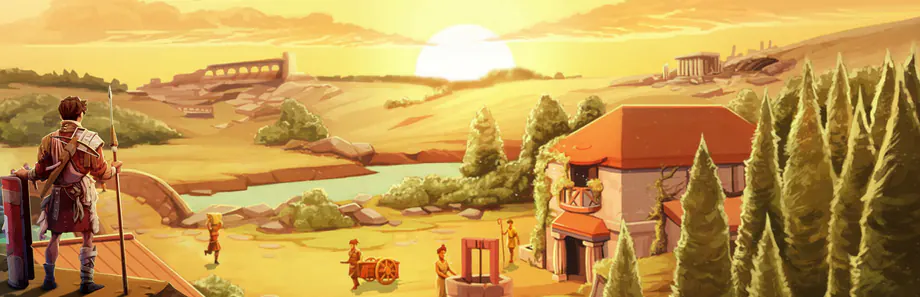
Romestead farming is not just a cozy side activity. Crops, citizen food, farmstead planning, and settlement growth all pull on the same storage and road layout. The right early farm is small, close, and useful.
For the whole launch route, start at the Romestead guide hub.
Last checked: May 31, 2026. Use this as a farming route plan, then check exact crop names, growth times, seed sources, water rules, recipes, and yields in your own save before expanding fields.
Quick Answer
Place a compact farm near storage, food support, and defense. Grow enough to stabilize the first settlement before expanding into a large field. Farming should answer a practical question: can players and citizens keep working without food becoming the main bottleneck?
If your food route is still weak, compare Romestead fishing for emergency food, Romestead best seeds for crop choice, and Romestead automation before sending surplus into trade routes.
Early Farm Layout
| Farm element | Early purpose | Placement advice |
|---|---|---|
| Crop plots | First food source and routine | Close to the main settlement, not far beyond defense |
| Food storage | Keeps harvests useful | Near farms and cooking or citizen support if available |
| Road access | Saves daily time | Connect crops to the town spine |
| Light and defense | Protects farm work at dusk | Cover the route back to the settlement |
| Expansion space | Allows larger fields later | Leave one side open rather than boxing farms in |
| Co-op access | Lets helpers assist quickly | Make the farm obvious and easy to reach |
When To Start Farming
Start farming after the first camp has basic safety. If you plant too early and ignore light, tools, or storage, the farm can become one more chore in a weak town. If you wait too long, citizens and players may pull time away from crafting and exploration. The best point is usually after you understand the first material loop and before you add too many citizens or distant buildings.
The farm should scale with demand. A solo player needs a small buffer and reliable habits. A group needs more food but also has more hands. A settlement with citizens needs food planning before happiness or labor becomes a problem.
Farm Size Decision Table
| Situation | Farm size | Why |
|---|---|---|
| First day | Tiny test patch | Learn placement and crop behavior |
| First safe night | Small food patch | Stabilizes routine without draining time |
| First citizens | Medium support farm | Keeps worker needs from interrupting progress |
| Four-player co-op | Assigned food zone | One player can manage supply while others gather |
| Biome push | Food buffer before leaving | Prevents exploration from starving the settlement |
| Decoration phase | Larger designed fields | Safer once survival and crafting are stable |
What To Check In The Live Build
Do not assume crop values before Early Access starts. Check whether seeds come from gathering, vendors, citizens, crafting, drops, or farms. Check whether crops need watering or other care. Check whether harvests are eaten directly, cooked, turned into offerings, used for quests, fed to citizens, or sold. Check whether crops are seasonal, biome-specific, or tied to progression.
Those details change the best farm. A crop that grows quickly may be better for emergency food. A crop used in offerings may be worth protecting. A crop tied to a recipe may belong near cooking support. A crop that feeds citizens may be more important than one that only restores the player.
Farming And Citizens
Citizens make farming a town system, not a private side project. If workers need food, paths, storage, or farm access, the farm has to sit inside the settlement plan instead of being stranded at the edge of the map.
If citizens can work farms in the live build, make sure roads and storage support them. If citizens only consume food, the farm still matters because it protects every other system from hunger. If citizens connect to god-related choices, food and population may become even more important.
Co-op Farm Roles
| Role | Farm responsibility |
|---|---|
| Farm lead | Decides crop expansion and food priority |
| Builder | Keeps farm paths, storage, and defense connected |
| Gatherer | Finds seeds or materials tied to farm upgrades |
| Defender | Watches farm edges at dusk and during attacks |
| Scout | Checks whether new biomes offer better seeds or food |
| Artisan | Turns crops into food, offerings, or craft inputs if available |
In co-op, farming often fails because nobody owns it. Everyone assumes someone else will plant, harvest, or feed citizens. Give one player final responsibility for food. Other players can still help, but one person should know whether the town is safe to expand.
Farming Before Exploration
Before pushing into a dungeon, boss, or new biome, ask whether the farm can support the absence. If food is barely stable, a failed long trip can put the settlement behind. If the farm has a buffer, the group can explore without every mistake turning into a hunger problem.
This is also why farm placement matters. A farm close to the town spine is easy to check before leaving. A farm far outside the settlement may be forgotten until it is already too late.
Common Farming Mistakes
Do not build the largest field before you know crop behavior. Do not place farms so far away that night travel becomes risky. Do not use all open central space for crops if artisan buildings and roads need room. Do not sell or spend every harvest if citizens may need food. Do not assume a demo crop route will remain best in Early Access.
Next Pages To Open
FAQ
Is farming important in Romestead?
Yes. Farming supports player food, citizen routines, farmstead planning, and longer settlement trips.
Should I make a huge farm early?
No. Start with a compact farm close to storage and defense, then expand after food demand and crop behavior are clear.
Are Romestead crops confirmed before Early Access?
Farming is confirmed, but exact crop names, seed sources, growth times, and yields should be checked in the live build.
Who should farm in co-op?
Give one player the farm lead role so food, citizen needs, storage, and expansion are not forgotten while others explore.