
Guides
Romestead Automation Guide: Trade Routes and Citizen Work
Quick Answer
Romestead automation should start with one boring Logistics Tent test: one source, one destination, one safe resource, and a stop rule. Do not automate away food, first-copy boss drops, rare materials, fuel, pots, or building supplies until the settlement can survive without them.
Automation Route Finder
Search Routes Before They Move Food, Pots, Or Rare Goods
Use route checks for Logistics Tent, production chains, storage split, and stop rules before linking the whole town.Search Local Automation Before Linking Routes
Use these route checks for Logistics Tent setup, production chains, storage split, and stop rules before repeat orders move important goods.
- RequirementDefeat the Cyclops (Pyzifax) boss in the Desert biome; Build cost check: 6 Lumber + 4 Stone
- PayoffAutomate resource transfer between buildings
- CheckCheck range, stack limits, and the current building menu before making the town depend on the route.
Place it near the production core, link one output to one input, then watch the route before adding more chains.
logistics / automation / production / storage- Requirement1. Unlock
- PayoffKeeps the automation setup in a safe order instead of linking several buildings at once.
- CheckSave and test the link after each step if the route touches food, rare goods, or build materials.
Treat the unlock as a boss and route checkpoint, then build only after the town can spare basic materials.
logistics / automation / setup- Requirement2. Build
- PayoffKeeps the automation setup in a safe order instead of linking several buildings at once.
- CheckSave and test the link after each step if the route touches food, rare goods, or build materials.
Place it close to production buildings so workers, storage, and players do not lose time walking.
logistics / automation / setup- Requirement3. Access Menu
- PayoffKeeps the automation setup in a safe order instead of linking several buildings at once.
- CheckSave and test the link after each step if the route touches food, rare goods, or build materials.
Open the building or station interface and find the route link controls before moving goods.
logistics / automation / setup- Requirement4. Linking
- PayoffKeeps the automation setup in a safe order instead of linking several buildings at once.
- CheckSave and test the link after each step if the route touches food, rare goods, or build materials.
Place it close to production buildings so workers, storage, and players do not lose time walking.
logistics / automation / setup- RequirementFarmstead output: Wheat; link to Watermill.
- PayoffAutomatic wheat supply
- CheckIf storage drops after a night or reload, pause the chain and refill by hand.
Run this as a single test chain first, then keep emergency food and current build goods outside exports.
production-chain / food / logistics / farmstead / watermill- RequirementWatermill output: Flour; link to Bakery.
- PayoffAutomatic flour grinding
- CheckIf storage drops after a night or reload, pause the chain and refill by hand.
Run this as a single test chain first, then keep emergency food and current build goods outside exports.
production-chain / food / logistics / watermill / bakery- RequirementBakery output: Bread; link to Food Storage.
- PayoffAutomatic bread storage
- CheckIf storage drops after a night or reload, pause the chain and refill by hand.
Run this as a single test chain first, then keep emergency food and current build goods outside exports.
production-chain / food / logistics / bakery / food-storage- RequirementFood Storage output: Stores food.
- PayoffKeeps your town fed
- CheckIf finished goods disappear into the wrong route, remove the link and refill by hand.
Use this as the stop point for the chain, then check the storage floor before expanding automation.
production-chain / food / storage / food-storage- Requirement1: Farmstead
- PayoffFeeds Produces wheat.
- CheckConfirm the output reaches storage before relying on repeat production.
Use this as a food-chain checkpoint before linking the next building.
production-chain / food / farmstead- Requirement2: Watermill
- PayoffFeeds Grinds wheat into flour.
- CheckConfirm the output reaches storage before relying on repeat production.
Use this as a food-chain checkpoint before linking the next building.
production-chain / food / watermill- Requirement3: Bakery
- PayoffFeeds Turns flour into bread.
- CheckConfirm the output reaches storage before relying on repeat production.
Use this as a food-chain checkpoint before linking the next building.
production-chain / food / bakery- Requirement4: Food Storage
- PayoffFeeds Fills with bread automatically.
- CheckConfirm the output reaches storage before relying on repeat production.
Use this as a food-chain checkpoint before linking the next building.
production-chain / food / food-storage- RequirementLevel 2 Quarry (Coal) - linked to buildings that need fuel
- PayoffTurns a repeated hauling chore into a planned production route.
- CheckStop the route if the same goods are needed for food, boss prep, offerings, or current construction.
Protect first-copy goods, test the source and destination, then let the route run only while storage stays healthy.
automation / route / trade / fuel-coal- RequirementOlive production - Press - Storage (great for selling)
- PayoffTurns a repeated hauling chore into a planned production route.
- CheckStop the route if the same goods are needed for food, boss prep, offerings, or current construction.
Protect first-copy goods, test the source and destination, then let the route run only while storage stays healthy.
automation / route / trade / olive-oil- RequirementMultiple inputs linked to workshops for tools, weapons, or trade goods
- PayoffTurns a repeated hauling chore into a planned production route.
- CheckStop the route if the same goods are needed for food, boss prep, offerings, or current construction.
Protect first-copy goods, test the source and destination, then let the route run only while storage stays healthy.
automation / route / trade / advanced-goods- RequirementOne output can feed multiple inputs; daisy-chain as needed
- PayoffHelps decide how complicated the route should be before it touches important goods.
- CheckKeep the first version small so a bad link is easy to remove.
Use this as a route safety check before adding another link or repeat order.
automation / logistics / connections- RequirementUnlocked with the tent - set buildings to repeat production
- PayoffHelps decide how complicated the route should be before it touches important goods.
- CheckKeep the first version small so a bad link is easy to remove.
Use this as a route safety check before adding another link or repeat order.
automation / logistics / repeatable-work-orders- RequirementSome buildings (like Bakery) may have stack limits and need occasional manual restarts
- PayoffHelps decide how complicated the route should be before it touches important goods.
- CheckKeep the first version small so a bad link is easy to remove.
Use this as a route safety check before adding another link or repeat order.
automation / logistics / automation-limits- RequirementConnections work within your town area - keep buildings relatively close
- PayoffHelps decide how complicated the route should be before it touches important goods.
- CheckKeep the first version small so a bad link is easy to remove.
Use this as a route safety check before adding another link or repeat order.
automation / logistics / range- RequirementReturn to the Logistics menu to remove or adjust connections anytime
- PayoffHelps decide how complicated the route should be before it touches important goods.
- CheckKeep the first version small so a bad link is easy to remove.
Use this as a route safety check before adding another link or repeat order.
automation / logistics / editing-linksNo matching route check. Clear search, widen filters, or turn off saved-only.
Search Automation Buildings Before Linking A Chain
Use these rows for Logistics Tent, resource buildings, storage lanes, Market checks, and food-chain automation before a route repeats.
Search and save the checks that matter to your current route.
Costs, footprints, workers, upgrades, town roles, and placement cautions.
Bosses, enemies, weaknesses, drop leads, and first-copy storage rules.
Shrines, quest gates, offerings, rare items, and routes that need save confirmation.
- Routenight defense
- RequirementLumber x1
- StatFootprint 1 x 1 tiles; Build progress 50; Needs town: No
- PayoffA target dummy that generates aggro
- ProtectStorage core, food chain, defense lane, and current construction stock.
- CheckConfirm exact cost, placement, worker access, and upgrade behavior in your current save before moving stored goods.
Place it where night pressure reaches storage, farms, or work lanes, then test the defense before expanding the town.
building / defense / night / aggro / dummy / footprint / cost- Routenight defense
- RequirementLumber x1; Quest: Fueling the Fires
- StatFootprint 2 x 2 tiles; Build progress 50; Needs town: No; Tier 1
- PayoffA ballista that can be loaded with ammo to fire automatically on enemies.
- ProtectStorage core, food chain, defense lane, and current construction stock.
- CheckConfirm exact cost, placement, worker access, and upgrade behavior in your current save before moving stored goods.
Place it where night pressure reaches storage, farms, or work lanes, then test the defense before expanding the town.
building / defense / night / automatic / scorpio / fueling / fires / footprint / cost- Routenight defense
- RequirementLumber x1 Stone x2
- StatFootprint 2 x 2 tiles; Build progress 50; Needs town: No; Tier 2
- PayoffA ballista that can be loaded with ammo to fire automatically on enemies. Deals more damage with higher upgrade ranks.
- ProtectStorage core, food chain, defense lane, and current construction stock.
- CheckConfirm exact cost, placement, worker access, and upgrade behavior in your current save before moving stored goods.
Place it where night pressure reaches storage, farms, or work lanes, then test the defense before expanding the town.
building / defense / night / automatic / scorpio / level / footprint / cost- Routenight defense
- RequirementLumber x1 Brick x2
- StatFootprint 2 x 2 tiles; Build progress 50; Needs town: No; Tier 3
- PayoffA ballista that can be loaded with ammo to fire automatically on enemies. Deals more damage with higher upgrade ranks.
- ProtectStorage core, food chain, defense lane, and current construction stock.
- CheckConfirm exact cost, placement, worker access, and upgrade behavior in your current save before moving stored goods.
Place it where night pressure reaches storage, farms, or work lanes, then test the defense before expanding the town.
building / defense / night / automatic / scorpio / level / footprint / cost- Routenight defense
- RequirementLumber x1 Concrete x2
- StatFootprint 2 x 2 tiles; Build progress 50; Needs town: No; Tier 4
- PayoffA ballista that can be loaded with ammo to fire automatically on enemies. Deals more damage with higher upgrade ranks.
- ProtectStorage core, food chain, defense lane, and current construction stock.
- CheckConfirm exact cost, placement, worker access, and upgrade behavior in your current save before moving stored goods.
Place it where night pressure reaches storage, farms, or work lanes, then test the defense before expanding the town.
building / defense / night / automatic / scorpio / level / footprint / cost- Routenight defense
- RequirementLumber x1
- StatFootprint 2 x 2 tiles; Build progress 50; Needs town: No
- PayoffAutomatic Scorpio Enemy: build cost (1x Lumber), 2x2 footprint in Romestead.
- ProtectStorage core, food chain, defense lane, and current construction stock.
- CheckConfirm exact cost, placement, worker access, and upgrade behavior in your current save before moving stored goods.
Place it where night pressure reaches storage, farms, or work lanes, then test the defense before expanding the town.
building / defense / night / automatic / scorpio / enemy / footprint / cost- Routefood chain
- RequirementLumber x5 Stone x2 Clay x3; Quest: Fruits of the Harvest; Worker: Baker
- StatFootprint 7 x 8 tiles; Build progress 150; Needs town: No; Tier 1
- PayoffHouses a baker who can make various breads from grains.
- ProtectFood floor, pots, crop inputs, fish, and finished meals.
- CheckConfirm exact cost, placement, worker access, and upgrade behavior in your current save before moving stored goods.
Build only when crop, pot, fish, or storage pressure is ready to support the food chain.
building / food / chain / bakery / fruits / harvest / baker / footprint / cost- Routefood chain
- RequirementLumber x5 Stone x5 Brick x5; Worker: Baker Upgrade level 1
- StatFootprint 7 x 8 tiles; Build progress 150; Needs town: No; Tier 2
- PayoffHouses a baker who can make various breads from grains. Max baker rank increased to 7.
- ProtectFood floor, pots, crop inputs, fish, and finished meals.
- CheckConfirm exact cost, placement, worker access, and upgrade behavior in your current save before moving stored goods.
Build only when crop, pot, fish, or storage pressure is ready to support the food chain.
building / food / chain / bakery / level / baker / upgrade / footprint / cost- Routefood chain
- RequirementLumber x2 Stone x2 Brick x5 Concrete x3; Worker: Baker Upgrade level 2
- StatFootprint 7 x 8 tiles; Build progress 150; Needs town: No; Tier 3
- PayoffHouses a baker who can make various breads from grains. Max baker rank increased to 10.
- ProtectFood floor, pots, crop inputs, fish, and finished meals.
- CheckConfirm exact cost, placement, worker access, and upgrade behavior in your current save before moving stored goods.
Build only when crop, pot, fish, or storage pressure is ready to support the food chain.
building / food / chain / bakery / level / baker / upgrade / footprint / cost- Routesettlement route
- RequirementLumber x8 Stone x6
- StatFootprint 12 x 6 tiles; Build progress 150; Needs town: No
- PayoffBarracks
- ProtectStorage core, food chain, defense lane, and current construction stock.
- CheckConfirm exact cost, placement, worker access, and upgrade behavior in your current save before moving stored goods.
Place it only when it fixes the active blocker instead of adding another thing to defend.
building / settlement / route / barracks / footprint / cost- Routecitizen housing
- RequirementLumber x8 Stone x6
- StatFootprint 7 x 6 tiles; Build progress 150; Needs town: No
- PayoffBathhouse
- ProtectStorage core, food chain, defense lane, and current construction stock.
- CheckConfirm exact cost, placement, worker access, and upgrade behavior in your current save before moving stored goods.
Build housing before recruiting more citizens, then check food storage and jobs before expanding again.
building / housing / citizen / bathhouse / footprint / cost- Routestation unlock
- RequirementLumber x5 Stone x5 Clay x2; Quest: The Giant Owl; Worker: Blacksmith
- StatFootprint 9 x 9 tiles; Build progress 150; Needs town: No; Tier 1
- PayoffHouses a blacksmith who can craft various weapons and equipment. Includes a furnace for smelting ore.
- ProtectLast copies of bars, cloth, leather, Clay, Concrete, and rare station inputs.
- CheckConfirm exact cost, placement, worker access, and upgrade behavior in your current save before moving stored goods.
Build or upgrade the station only when the next recipe, gear piece, or material route needs it now.
building / crafting / station / unlock / blacksmith / giant / owl / footprint / cost- Routestation unlock
- RequirementLumber x6 Stone x6 Brick x10; Quest: Proving your worth; Worker: Blacksmith Upgrade level 1
- StatFootprint 9 x 9 tiles; Build progress 150; Needs town: No; Tier 2
- PayoffHouses a blacksmith who can craft various weapons and equipment. Max blacksmith rank increased to 7. Includes a stronger furnace for smelting tougher ore.
- ProtectLast copies of bars, cloth, leather, Clay, Concrete, and rare station inputs.
- CheckConfirm exact cost, placement, worker access, and upgrade behavior in your current save before moving stored goods.
Build or upgrade the station only when the next recipe, gear piece, or material route needs it now.
building / crafting / station / unlock / blacksmith / level / proving / your / worth / upgrade / footprint / cost- Routestation unlock
- RequirementLumber x7 Stone x4 Brick x4 Marble x6 Concrete x8; Worker: Blacksmith Upgrade level 2
- StatFootprint 9 x 9 tiles; Build progress 150; Needs town: No; Tier 3
- PayoffHouses a blacksmith who can craft various weapons and equipment. Max blacksmith rank increased to 10. Includes an even stronger furnace for smelting very tough ore
- ProtectLast copies of bars, cloth, leather, Clay, Concrete, and rare station inputs.
- CheckConfirm exact cost, placement, worker access, and upgrade behavior in your current save before moving stored goods.
Build or upgrade the station only when the next recipe, gear piece, or material route needs it now.
building / crafting / station / unlock / blacksmith / level / upgrade / footprint / cost- Routestation unlock
- RequirementStone x8 Clay x6; Quest: Virgil's Poem
- StatFootprint 4 x 4 tiles; Build progress 150; Needs town: Yes
- PayoffCreates bricks from clay. The oven needs fuel, so you will have to throw in some flammable items or lumber.
- ProtectLast copies of bars, cloth, leather, Clay, Concrete, and rare station inputs.
- CheckConfirm exact cost, placement, worker access, and upgrade behavior in your current save before moving stored goods.
Build or upgrade the station only when the next recipe, gear piece, or material route needs it now.
building / crafting / station / unlock / brick / oven / virgil / poem / footprint / cost- Routestorage and hauling
- RequirementLumber x1 Ash x1 Variants Other versions of this building you can place instead. Wooden Bucket Lumber x 1 Wooden Bucket (Ash) Current Lumber x 1 Ash x 1 Wooden Bucket (Clay) Lumber x 1 Clay x 1 Wooden Bucket (Concrete) Lumber x 1 Concrete x 1 Wooden Bucket (Water) Lumber x 1 Water x 1
- StatFootprint 1 x 1 tiles; Build progress 50; Needs town: No
- PayoffWooden Bucket (Ash): build cost (1x Lumber, 1x Ash), 1x1 footprint in Romestead.
- ProtectFirst-copy rare goods and current build materials.
- CheckConfirm exact cost, placement, worker access, and upgrade behavior in your current save before moving stored goods.
Place it near the production core and split food, build goods, rare goods, and trade surplus.
building / storage / hauling / wooden / bucket / ash / footprint / cost- Routestorage and hauling
- RequirementLumber x1 Clay x1 Variants Other versions of this building you can place instead. Wooden Bucket Lumber x 1 Wooden Bucket (Ash) Lumber x 1 Ash x 1 Wooden Bucket (Clay) Current Lumber x 1 Clay x 1 Wooden Bucket (Concrete) Lumber x 1 Concrete x 1 Wooden Bucket (Water) Lumber x 1 Water x 1
- StatFootprint 1 x 1 tiles; Build progress 50; Needs town: No
- PayoffWooden Bucket (Clay): build cost (1x Lumber, 1x Clay), 1x1 footprint in Romestead.
- ProtectFirst-copy rare goods and current build materials.
- CheckConfirm exact cost, placement, worker access, and upgrade behavior in your current save before moving stored goods.
Place it near the production core and split food, build goods, rare goods, and trade surplus.
building / storage / hauling / wooden / bucket / clay / footprint / cost- Routestorage and hauling
- RequirementLumber x1 Concrete x1 Variants Other versions of this building you can place instead. Wooden Bucket Lumber x 1 Wooden Bucket (Ash) Lumber x 1 Ash x 1 Wooden Bucket (Clay) Lumber x 1 Clay x 1 Wooden Bucket (Concrete) Current Lumber x 1 Concrete x 1 Wooden Bucket (Water) Lumber x 1 Water x 1
- StatFootprint 1 x 1 tiles; Build progress 50; Needs town: No
- PayoffWooden Bucket (Concrete): build cost (1x Lumber, 1x Concrete), 1x1 footprint in Romestead.
- ProtectFirst-copy rare goods and current build materials.
- CheckConfirm exact cost, placement, worker access, and upgrade behavior in your current save before moving stored goods.
Place it near the production core and split food, build goods, rare goods, and trade surplus.
building / storage / hauling / wooden / bucket / concrete / footprint / cost- Routestorage and hauling
- RequirementLumber x1 Water x1 Variants Other versions of this building you can place instead. Wooden Bucket Lumber x 1 Wooden Bucket (Ash) Lumber x 1 Ash x 1 Wooden Bucket (Clay) Lumber x 1 Clay x 1 Wooden Bucket (Concrete) Lumber x 1 Concrete x 1 Wooden Bucket (Water) Current Lumber x 1 Water x 1
- StatFootprint 1 x 1 tiles; Build progress 50; Needs town: No
- PayoffWooden Bucket (Water): build cost (1x Lumber, 1x Water), 1x1 footprint in Romestead.
- ProtectFirst-copy rare goods and current build materials.
- CheckConfirm exact cost, placement, worker access, and upgrade behavior in your current save before moving stored goods.
Place it near the production core and split food, build goods, rare goods, and trade surplus.
building / storage / hauling / wooden / bucket / water / footprint / cost- Routestorage and hauling
- RequirementLumber x1 Variants Other versions of this building you can place instead. Wooden Bucket Current Lumber x 1 Wooden Bucket (Ash) Lumber x 1 Ash x 1 Wooden Bucket (Clay) Lumber x 1 Clay x 1 Wooden Bucket (Concrete) Lumber x 1 Concrete x 1 Wooden Bucket (Water) Lumber x 1 Water x 1
- StatFootprint 1 x 1 tiles; Build progress 50; Needs town: No
- PayoffUsed to carry water, clay and other liquids.
- ProtectFirst-copy rare goods and current build materials.
- CheckConfirm exact cost, placement, worker access, and upgrade behavior in your current save before moving stored goods.
Place it near the production core and split food, build goods, rare goods, and trade surplus.
building / storage / hauling / wooden / bucket / footprint / cost- Routestation unlock
- RequirementLumber x7 Stone x2 Clay x2; Quest: The Giant Owl; Worker: Carpenter
- StatFootprint 8 x 8 tiles; Build progress 150; Needs town: No; Tier 1
- PayoffUnlocks the ability to upgrade buildings. Houses a carpenter who can craft furniture.
- ProtectLast copies of bars, cloth, leather, Clay, Concrete, and rare station inputs.
- CheckConfirm exact cost, placement, worker access, and upgrade behavior in your current save before moving stored goods.
Build or upgrade the station only when the next recipe, gear piece, or material route needs it now.
building / crafting / station / unlock / carpenter / workshop / giant / owl / footprint / cost- Routestation unlock
- RequirementLumber x3 Stone x3 Clay x4 Brick x5; Quest: Virgil's Poem; Worker: Carpenter Upgrade level 1
- StatFootprint 8 x 8 tiles; Build progress 150; Needs town: No; Tier 2
- PayoffUnlocks the ability to upgrade buildings. Houses a carpenter who can craft furniture. Max carpenter rank increased to 6.
- ProtectLast copies of bars, cloth, leather, Clay, Concrete, and rare station inputs.
- CheckConfirm exact cost, placement, worker access, and upgrade behavior in your current save before moving stored goods.
Build or upgrade the station only when the next recipe, gear piece, or material route needs it now.
building / crafting / station / unlock / carpenter / workshop / level / virgil / poem / upgrade / footprint / cost- Routestation unlock
- RequirementLumber x5 Stone x5 Brick x10 Concrete x8 Clay x2; Quest: Profane Artifice; Worker: Carpenter Upgrade level 2
- StatFootprint 8 x 8 tiles; Build progress 150; Needs town: No; Tier 3
- PayoffUnlocks the ability to upgrade buildings. Houses a carpenter who can craft furniture. Max carpenter rank increased to 8.
- ProtectLast copies of bars, cloth, leather, Clay, Concrete, and rare station inputs.
- CheckConfirm exact cost, placement, worker access, and upgrade behavior in your current save before moving stored goods.
Build or upgrade the station only when the next recipe, gear piece, or material route needs it now.
building / crafting / station / unlock / carpenter / workshop / level / profane / artifice / upgrade / footprint / cost- Routestation unlock
- RequirementLumber x6 Stone x6 Clay x5 Brick x6 Marble x8 Concrete x8; Research: 20 x Research Paper; Worker: Carpenter Upgrade level 3
- StatFootprint 8 x 8 tiles; Build progress 150; Needs town: No; Tier 4
- PayoffUnlocks the ability to upgrade buildings. Houses a carpenter who can craft furniture. Max carpenter rank increased to 10.
- ProtectLast copies of bars, cloth, leather, Clay, Concrete, and rare station inputs.
- CheckConfirm exact cost, placement, worker access, and upgrade behavior in your current save before moving stored goods.
Build or upgrade the station only when the next recipe, gear piece, or material route needs it now.
building / crafting / station / unlock / carpenter / workshop / level / research / paper / upgrade / footprint / cost- Routestorage and hauling
- RequirementLumber x3 Variants Other versions of this building you can place instead. Bronze Cart Lumber x 3 Wooden Cart Current Lumber x 3
- StatFootprint 3 x 2 tiles; Build progress 90; Needs town: No
- PayoffHolds up to 4 resources. Can be connected into a chain with other carts.
- ProtectFirst-copy rare goods and current build materials.
- CheckConfirm exact cost, placement, worker access, and upgrade behavior in your current save before moving stored goods.
Place it near the production core and split food, build goods, rare goods, and trade surplus.
building / storage / hauling / wooden / cart / footprint / cost- Routestorage and hauling
- RequirementLumber x3 Variants Other versions of this building you can place instead. Bronze Cart Current Lumber x 3 Wooden Cart Lumber x 3
- StatFootprint 3 x 2 tiles; Build progress 200; Needs town: No
- PayoffBronze Cart: build cost (3x Lumber), 3x2 footprint in Romestead.
- ProtectFirst-copy rare goods and current build materials.
- CheckConfirm exact cost, placement, worker access, and upgrade behavior in your current save before moving stored goods.
Place it near the production core and split food, build goods, rare goods, and trade surplus.
building / storage / hauling / bronze / cart / footprint / cost- Routenight defense
- RequirementLumber x1 Stone x2 Clay x1
- StatFootprint 3 x 3 tiles; Build progress 70; Needs town: No; Tier 2
- PayoffCan catapult throwables far away, dealing higher damage. Damage increased significantly against structures.
- ProtectStorage core, food chain, defense lane, and current construction stock.
- CheckConfirm exact cost, placement, worker access, and upgrade behavior in your current save before moving stored goods.
Place it where night pressure reaches storage, farms, or work lanes, then test the defense before expanding the town.
building / defense / night / stationary / catapult / level / footprint / cost- Routenight defense
- RequirementLumber x2 Brick x3
- StatFootprint 3 x 3 tiles; Build progress 90; Needs town: No; Tier 3
- PayoffCan catapult throwables far away, dealing higher damage. Damage increased significantly against structures.
- ProtectStorage core, food chain, defense lane, and current construction stock.
- CheckConfirm exact cost, placement, worker access, and upgrade behavior in your current save before moving stored goods.
Place it where night pressure reaches storage, farms, or work lanes, then test the defense before expanding the town.
building / defense / night / stationary / catapult / level / footprint / cost- Routenight defense
- RequirementLumber x1 Stone x1
- StatFootprint 3 x 3 tiles; Build progress 50; Needs town: No; Tier 1
- PayoffCan catapult throwables far away, dealing higher damage. Damage increased significantly against structures.
- ProtectStorage core, food chain, defense lane, and current construction stock.
- CheckConfirm exact cost, placement, worker access, and upgrade behavior in your current save before moving stored goods.
Place it where night pressure reaches storage, farms, or work lanes, then test the defense before expanding the town.
building / defense / night / stationary / catapult / footprint / cost- Routeresource automation
- RequirementLumber x6 Stone x10 Clay x3; Quest: Sanguis Celeste; Worker: Digger
- StatFootprint 12 x 12 tiles; Build progress 150; Needs town: No; Tier 1
- PayoffHouses a digger who automatically digs for resources in the biome. Speed is determined by humidity and the amount of clay tiles nearby.
- ProtectTool time, hauling route, storage slots, and first stacks of new materials.
- CheckConfirm exact cost, placement, worker access, and upgrade behavior in your current save before moving stored goods.
Check tool access, hauling distance, and storage before scaling the resource route.
building / resource / automation / clay / pit / sanguis / celeste / digger / footprint / cost- Routeresource automation
- RequirementLumber x2 Stone x5 Brick x9; Worker: Digger Upgrade level 1
- StatFootprint 12 x 12 tiles; Build progress 150; Needs town: No; Tier 2
- PayoffHouses a digger who automatically digs for resources in the biome. Speed is determined by humidity and the amount of clay tiles nearby. Max digger rank...
- ProtectTool time, hauling route, storage slots, and first stacks of new materials.
- CheckConfirm exact cost, placement, worker access, and upgrade behavior in your current save before moving stored goods.
Check tool access, hauling distance, and storage before scaling the resource route.
building / resource / automation / clay / pit / level / digger / upgrade / footprint / cost- Routeresource automation
- RequirementStone x5 Brick x5 Concrete x7; Worker: Digger Upgrade level 2
- StatFootprint 12 x 12 tiles; Build progress 150; Needs town: No; Tier 3
- PayoffHouses a digger who automatically digs for resources in the biome. Speed is determined by humidity and the amount of clay tiles nearby. Max digger rank...
- ProtectTool time, hauling route, storage slots, and first stacks of new materials.
- CheckConfirm exact cost, placement, worker access, and upgrade behavior in your current save before moving stored goods.
Check tool access, hauling distance, and storage before scaling the resource route.
building / resource / automation / clay / pit / level / digger / upgrade / footprint / cost- Routeresource automation
- RequirementStone x2 Brick x4 Concrete x6 Marble x8; Worker: Digger Upgrade level 3
- StatFootprint 12 x 12 tiles; Build progress 150; Needs town: No; Tier 4
- PayoffHouses a digger who automatically digs for resources in the biome. Speed is determined by humidity and the amount of clay tiles nearby. Max digger rank...
- ProtectTool time, hauling route, storage slots, and first stacks of new materials.
- CheckConfirm exact cost, placement, worker access, and upgrade behavior in your current save before moving stored goods.
Check tool access, hauling distance, and storage before scaling the resource route.
building / resource / automation / clay / pit / level / digger / upgrade / footprint / cost- Routestation unlock
- RequirementLumber x8 Stone x6; Research: 20 x Research Paper
- StatFootprint 3 x 3 tiles; Build progress 150; Needs town: Yes
- PayoffCreates concrete from volcanic ash, clay and water.
- ProtectLast copies of bars, cloth, leather, Clay, Concrete, and rare station inputs.
- CheckConfirm exact cost, placement, worker access, and upgrade behavior in your current save before moving stored goods.
Build or upgrade the station only when the next recipe, gear piece, or material route needs it now.
building / crafting / station / unlock / concrete / mixer / research / paper / footprint / cost- Routeresource automation
- RequirementLumber x1 Stone x2
- StatFootprint 2 x 2 tiles; Build progress 90; Needs town: No; Tier 1
- PayoffBig Bush Decoration: build cost (1x Lumber, 2x Stone), 2x2 footprint in Romestead.
- ProtectTool time, hauling route, storage slots, and first stacks of new materials.
- CheckConfirm exact cost, placement, worker access, and upgrade behavior in your current save before moving stored goods.
Check tool access, hauling distance, and storage before scaling the resource route.
building / resource / automation / big / bush / decoration / footprint / cost- Routeresource automation
- RequirementLumber x1 Stone x2
- StatFootprint 2 x 2 tiles; Build progress 110; Needs town: No; Tier 1
- PayoffBig Tree Decoration: build cost (1x Lumber, 2x Stone), 2x2 footprint in Romestead.
- ProtectTool time, hauling route, storage slots, and first stacks of new materials.
- CheckConfirm exact cost, placement, worker access, and upgrade behavior in your current save before moving stored goods.
Check tool access, hauling distance, and storage before scaling the resource route.
building / resource / automation / big / tree / decoration / footprint / cost- Routesettlement route
- RequirementLumber x4
- StatFootprint 2 x 2 tiles; Build progress 90; Needs town: No
- PayoffProvides light
- ProtectStorage core, food chain, defense lane, and current construction stock.
- CheckConfirm exact cost, placement, worker access, and upgrade behavior in your current save before moving stored goods.
Place it only when it fixes the active blocker instead of adding another thing to defend.
building / settlement / route / bonfire / footprint / cost- Routesettlement route
- RequirementLumber x4
- StatFootprint 2 x 2 tiles; Build progress 90; Needs town: No
- PayoffProvides light
- ProtectStorage core, food chain, defense lane, and current construction stock.
- CheckConfirm exact cost, placement, worker access, and upgrade behavior in your current save before moving stored goods.
Place it only when it fixes the active blocker instead of adding another thing to defend.
building / settlement / route / bonfire / footprint / cost- Routesettlement route
- RequirementLumber x4
- StatFootprint 2 x 2 tiles; Build progress 90; Needs town: No
- PayoffProvides light
- ProtectStorage core, food chain, defense lane, and current construction stock.
- CheckConfirm exact cost, placement, worker access, and upgrade behavior in your current save before moving stored goods.
Place it only when it fixes the active blocker instead of adding another thing to defend.
building / settlement / route / bonfire / footprint / cost- Routesettlement route
- RequirementLumber x4
- StatFootprint 2 x 2 tiles; Build progress 90; Needs town: No
- PayoffProvides light
- ProtectStorage core, food chain, defense lane, and current construction stock.
- CheckConfirm exact cost, placement, worker access, and upgrade behavior in your current save before moving stored goods.
Place it only when it fixes the active blocker instead of adding another thing to defend.
building / settlement / route / bonfire / footprint / cost- Routesettlement route
- RequirementLumber x1
- StatFootprint 1 x 1 tiles; Build progress 90; Needs town: No; Tier 1
- PayoffProvides light
- ProtectStorage core, food chain, defense lane, and current construction stock.
- CheckConfirm exact cost, placement, worker access, and upgrade behavior in your current save before moving stored goods.
Place it only when it fixes the active blocker instead of adding another thing to defend.
building / settlement / route / brazier / footprint / cost- Routestation unlock
- RequirementConcrete x2 Stone x2 Lumber x3
- StatFootprint 3 x 3 tiles; Build progress 180; Needs town: No
- PayoffCyclop Statue: build cost (2x Concrete, 2x Stone, 3x Lumber), 3x3 footprint in Romestead.
- ProtectLast copies of bars, cloth, leather, Clay, Concrete, and rare station inputs.
- CheckConfirm exact cost, placement, worker access, and upgrade behavior in your current save before moving stored goods.
Build or upgrade the station only when the next recipe, gear piece, or material route needs it now.
building / crafting / station / unlock / cyclop / statue / footprint / cost- Routeresource automation
- RequirementLumber x1 Stone x1
- StatFootprint 2 x 1 tiles; Build progress 90; Needs town: No; Tier 1
- PayoffHorizontal Bush Decoration: build cost (1x Lumber, 1x Stone), 2x1 footprint in Romestead.
- ProtectTool time, hauling route, storage slots, and first stacks of new materials.
- CheckConfirm exact cost, placement, worker access, and upgrade behavior in your current save before moving stored goods.
Check tool access, hauling distance, and storage before scaling the resource route.
building / resource / automation / horizontal / bush / decoration / footprint / cost- Routestation unlock
- RequirementConcrete x2 Stone x2 Lumber x3
- StatFootprint 3 x 3 tiles; Build progress 180; Needs town: No
- PayoffMonument: build cost (2x Concrete, 2x Stone, 3x Lumber), 3x3 footprint in Romestead.
- ProtectLast copies of bars, cloth, leather, Clay, Concrete, and rare station inputs.
- CheckConfirm exact cost, placement, worker access, and upgrade behavior in your current save before moving stored goods.
Build or upgrade the station only when the next recipe, gear piece, or material route needs it now.
building / crafting / station / unlock / monument / footprint / cost- Routeresource automation
- RequirementLumber x1
- StatFootprint 1 x 1 tiles; Build progress 70; Needs town: No; Tier 1
- PayoffSmall Bush Decoration: build cost (1x Lumber), 1x1 footprint in Romestead.
- ProtectTool time, hauling route, storage slots, and first stacks of new materials.
- CheckConfirm exact cost, placement, worker access, and upgrade behavior in your current save before moving stored goods.
Check tool access, hauling distance, and storage before scaling the resource route.
building / resource / automation / small / bush / decoration / footprint / cost- Routestation unlock
- RequirementConcrete x2 Stone x2 Lumber x3
- StatFootprint 3 x 3 tiles; Build progress 180; Needs town: No
- PayoffTorch Bearer Statue: build cost (2x Concrete, 2x Stone, 3x Lumber), 3x3 footprint in Romestead.
- ProtectLast copies of bars, cloth, leather, Clay, Concrete, and rare station inputs.
- CheckConfirm exact cost, placement, worker access, and upgrade behavior in your current save before moving stored goods.
Build or upgrade the station only when the next recipe, gear piece, or material route needs it now.
building / crafting / station / unlock / torch / bearer / statue / footprint / cost- Routeresource automation
- RequirementLumber x1 Stone x1
- StatFootprint 1 x 2 tiles; Build progress 90; Needs town: No; Tier 1
- PayoffVertical Bush Decoration: build cost (1x Lumber, 1x Stone), 1x2 footprint in Romestead.
- ProtectTool time, hauling route, storage slots, and first stacks of new materials.
- CheckConfirm exact cost, placement, worker access, and upgrade behavior in your current save before moving stored goods.
Check tool access, hauling distance, and storage before scaling the resource route.
building / resource / automation / vertical / bush / decoration / footprint / cost- Routestation unlock
- RequirementConcrete x2 Stone x2 Lumber x3
- StatFootprint 3 x 3 tiles; Build progress 180; Needs town: No
- PayoffVulcan Statue: build cost (2x Concrete, 2x Stone, 3x Lumber), 3x3 footprint in Romestead.
- ProtectLast copies of bars, cloth, leather, Clay, Concrete, and rare station inputs.
- CheckConfirm exact cost, placement, worker access, and upgrade behavior in your current save before moving stored goods.
Build or upgrade the station only when the next recipe, gear piece, or material route needs it now.
building / crafting / station / unlock / vulcan / statue / footprint / cost- Routefood chain
- RequirementLumber x7 Stone x5; Quest: Honoring the Soil; Worker: Farmer
- StatFootprint 8 x 10 tiles; Build progress 150; Needs town: No; Tier 1
- PayoffHouses a farmer who can farm nearby crops.
- ProtectFood floor, pots, crop inputs, fish, and finished meals.
- CheckConfirm exact cost, placement, worker access, and upgrade behavior in your current save before moving stored goods.
Build only when crop, pot, fish, or storage pressure is ready to support the food chain.
building / food / chain / farmstead / honoring / soil / farmer / footprint / cost- Routefood chain
- RequirementLumber x4 Stone x4 Clay x4; Worker: Farmer Upgrade level 1
- StatFootprint 8 x 10 tiles; Build progress 150; Needs town: No; Tier 2
- PayoffHouses a farmer who can farm nearby crops. Max farmer rank increased to 7.
- ProtectFood floor, pots, crop inputs, fish, and finished meals.
- CheckConfirm exact cost, placement, worker access, and upgrade behavior in your current save before moving stored goods.
Build only when crop, pot, fish, or storage pressure is ready to support the food chain.
building / food / chain / farmstead / level / farmer / upgrade / footprint / cost- Routefood chain
- RequirementLumber x4 Stone x4 Brick x5; Worker: Farmer Upgrade level 2
- StatFootprint 8 x 10 tiles; Build progress 150; Needs town: No; Tier 3
- PayoffHouses a farmer who can farm nearby crops. Max farmer rank increased to 10.
- ProtectFood floor, pots, crop inputs, fish, and finished meals.
- CheckConfirm exact cost, placement, worker access, and upgrade behavior in your current save before moving stored goods.
Build only when crop, pot, fish, or storage pressure is ready to support the food chain.
building / food / chain / farmstead / level / farmer / upgrade / footprint / cost- Routeresource automation
- RequirementLumber x8 Stone x8
- StatFootprint 6 x 6 tiles; Build progress 150; Needs town: No
- PayoffFilm Studio: build cost (8x Lumber, 8x Stone), 6x6 footprint in Romestead.
- ProtectTool time, hauling route, storage slots, and first stacks of new materials.
- CheckConfirm exact cost, placement, worker access, and upgrade behavior in your current save before moving stored goods.
Check tool access, hauling distance, and storage before scaling the resource route.
building / resource / automation / film / studio / footprint / cost- Routefood chain
- RequirementLumber x4
- StatFootprint 4 x 3 tiles; Build progress 150; Needs town: Yes
- PayoffCan store food and make it available for citizens in the town to consume.
- ProtectFood floor, pots, crop inputs, fish, and finished meals.
- CheckConfirm exact cost, placement, worker access, and upgrade behavior in your current save before moving stored goods.
Build only when crop, pot, fish, or storage pressure is ready to support the food chain.
building / food / chain / storage / footprint / cost- Routenight defense
- RequirementLumber x1
- StatFootprint 3 x 1 tiles; Build progress 30; Needs town: No
- PayoffWood Gate Horizontal: build cost (1x Lumber), 3x1 footprint in Romestead.
- ProtectStorage core, food chain, defense lane, and current construction stock.
- CheckConfirm exact cost, placement, worker access, and upgrade behavior in your current save before moving stored goods.
Place it where night pressure reaches storage, farms, or work lanes, then test the defense before expanding the town.
building / defense / night / wood / gate / horizontal / footprint / cost- Routenight defense
- RequirementLumber x1
- StatFootprint 1 x 3 tiles; Build progress 30; Needs town: No
- PayoffWood Gate Vertical: build cost (1x Lumber), 1x3 footprint in Romestead.
- ProtectStorage core, food chain, defense lane, and current construction stock.
- CheckConfirm exact cost, placement, worker access, and upgrade behavior in your current save before moving stored goods.
Place it where night pressure reaches storage, farms, or work lanes, then test the defense before expanding the town.
building / defense / night / wood / gate / vertical / footprint / cost- Routenight defense
- RequirementLumber x1
- StatFootprint 3 x 1 tiles; Build progress 30; Needs town: No
- PayoffWood Gate: build cost (1x Lumber), 3x1 footprint in Romestead.
- ProtectStorage core, food chain, defense lane, and current construction stock.
- CheckConfirm exact cost, placement, worker access, and upgrade behavior in your current save before moving stored goods.
Place it where night pressure reaches storage, farms, or work lanes, then test the defense before expanding the town.
building / defense / night / wood / gate / footprint / cost- Routecitizen housing
- RequirementLumber x2 Stone x3; Worker: Otiosus
- StatFootprint 7 x 8 tiles; Build progress 90; Needs town: No
- PayoffA home for your jobless citizens.
- ProtectStorage core, food chain, defense lane, and current construction stock.
- CheckConfirm exact cost, placement, worker access, and upgrade behavior in your current save before moving stored goods.
Build housing before recruiting more citizens, then check food storage and jobs before expanding again.
building / housing / citizen / insula / otiosus / footprint / cost- Routenight defense
- RequirementLumber x1
- StatFootprint 1 x 1 tiles; Build progress 50; Needs town: No
- PayoffAn invisible dummy for specific uses.
- ProtectStorage core, food chain, defense lane, and current construction stock.
- CheckConfirm exact cost, placement, worker access, and upgrade behavior in your current save before moving stored goods.
Place it where night pressure reaches storage, farms, or work lanes, then test the defense before expanding the town.
building / defense / night / invisible / dummy / footprint / cost- Routestation unlock
- RequirementLumber x5 Stone x5; Worker: Leatherworker
- StatFootprint 8 x 8 tiles; Build progress 150; Needs town: No; Tier 1
- PayoffHouses a leatherworker who can craft gear from leather and hides.
- ProtectLast copies of bars, cloth, leather, Clay, Concrete, and rare station inputs.
- CheckConfirm exact cost, placement, worker access, and upgrade behavior in your current save before moving stored goods.
Build or upgrade the station only when the next recipe, gear piece, or material route needs it now.
building / crafting / station / unlock / leatherworker / footprint / cost- Routestation unlock
- RequirementLumber x3 Stone x4 Clay x2 Brick x5; Quest: Hunting Armaments; Worker: Leatherworker Upgrade level 1
- StatFootprint 8 x 8 tiles; Build progress 150; Needs town: No; Tier 2
- PayoffHouses a leatherworker who can craft gear from leather and hides. Max leatherworker rank increased to 7.
- ProtectLast copies of bars, cloth, leather, Clay, Concrete, and rare station inputs.
- CheckConfirm exact cost, placement, worker access, and upgrade behavior in your current save before moving stored goods.
Build or upgrade the station only when the next recipe, gear piece, or material route needs it now.
building / crafting / station / unlock / leatherworker / level / hunting / armaments / upgrade / footprint / cost- Routeresource automation
- RequirementLumber x6 Stone x4; Quest: The Giant Owl
- StatFootprint 5 x 6 tiles; Build progress 150; Needs town: No
- PayoffUnlocks logistics for the town. Logistics allow you to create connections between buildings and infrastructure to automatically transfer goods. Also unlocks the ability to have repeatable...
- ProtectTool time, hauling route, storage slots, and first stacks of new materials.
- CheckConfirm exact cost, placement, worker access, and upgrade behavior in your current save before moving stored goods.
Check tool access, hauling distance, and storage before scaling the resource route.
building / resource / automation / logistics / tent / giant / owl / footprint / cost- Routeresource automation
- RequirementLumber x6 Stone x3; Worker: Lumberjack
- StatFootprint 11 x 11 tiles; Build progress 150; Needs town: No; Tier 1
- PayoffHouses a lumberjack who automatically acquires lumber. Speed is increased by the amount of trees nearby.
- ProtectTool time, hauling route, storage slots, and first stacks of new materials.
- CheckConfirm exact cost, placement, worker access, and upgrade behavior in your current save before moving stored goods.
Check tool access, hauling distance, and storage before scaling the resource route.
building / resource / automation / lumber / yard / lumberjack / footprint / cost- Routeresource automation
- RequirementLumber x6 Stone x5 Clay x2; Worker: Lumberjack Upgrade level 1
- StatFootprint 11 x 11 tiles; Build progress 150; Needs town: No; Tier 2
- PayoffHouses a lumberjack who automatically acquires lumber. Speed is increased by the amount of trees nearby. Max lumberjack rank increased to 6.
- ProtectTool time, hauling route, storage slots, and first stacks of new materials.
- CheckConfirm exact cost, placement, worker access, and upgrade behavior in your current save before moving stored goods.
Check tool access, hauling distance, and storage before scaling the resource route.
building / resource / automation / lumber / yard / level / lumberjack / upgrade / footprint / cost- Routeresource automation
- RequirementLumber x6 Stone x6 Brick x5; Worker: Lumberjack Upgrade level 2
- StatFootprint 11 x 11 tiles; Build progress 150; Needs town: No; Tier 3
- PayoffHouses a lumberjack who automatically acquires lumber. Speed is increased by the amount of trees nearby. Max lumberjack rank increased to 8.
- ProtectTool time, hauling route, storage slots, and first stacks of new materials.
- CheckConfirm exact cost, placement, worker access, and upgrade behavior in your current save before moving stored goods.
Check tool access, hauling distance, and storage before scaling the resource route.
building / resource / automation / lumber / yard / level / lumberjack / upgrade / footprint / cost- Routeresource automation
- RequirementLumber x8 Stone x8 Brick x6 Concrete x6; Worker: Lumberjack Upgrade level 3
- StatFootprint 11 x 11 tiles; Build progress 150; Needs town: No; Tier 4
- PayoffHouses a lumberjack who automatically acquires lumber. Speed is increased by the amount of trees nearby. Max lumberjack rank increased to 10.
- ProtectTool time, hauling route, storage slots, and first stacks of new materials.
- CheckConfirm exact cost, placement, worker access, and upgrade behavior in your current save before moving stored goods.
Check tool access, hauling distance, and storage before scaling the resource route.
building / resource / automation / lumber / yard / level / lumberjack / upgrade / footprint / cost- Routeresource automation
- RequirementLumber x8 Stone x6 Clay x2; Quest: Art of Trade; Worker: Merchant
- StatFootprint 8 x 6 tiles; Build progress 150; Needs town: No; Tier 1
- PayoffHouses a merchant who sells various items depending on the biome, also buys any unwanted items from adventurers.
- ProtectTool time, hauling route, storage slots, and first stacks of new materials.
- CheckConfirm exact cost, placement, worker access, and upgrade behavior in your current save before moving stored goods.
Check tool access, hauling distance, and storage before scaling the resource route.
building / resource / automation / market / art / trade / merchant / footprint / cost- Routeresource automation
- RequirementLumber x8 Stone x6 Brick x6; Worker: Merchant Upgrade level 1
- StatFootprint 8 x 6 tiles; Build progress 150; Needs town: No; Tier 2
- PayoffHouses a merchant who sells various items depending on the biome, also buys any unwanted items from adventurers. Max merchant rank increased to 7.
- ProtectTool time, hauling route, storage slots, and first stacks of new materials.
- CheckConfirm exact cost, placement, worker access, and upgrade behavior in your current save before moving stored goods.
Check tool access, hauling distance, and storage before scaling the resource route.
building / resource / automation / market / level / merchant / upgrade / footprint / cost- Routeresource automation
- RequirementStone x6 Brick x6 Concrete x6; Worker: Merchant Upgrade level 2
- StatFootprint 8 x 6 tiles; Build progress 150; Needs town: No; Tier 3
- PayoffHouses a merchant who sells various items depending on the biome, also buys any unwanted items from adventurers. Max merchant rank increased to 10.
- ProtectTool time, hauling route, storage slots, and first stacks of new materials.
- CheckConfirm exact cost, placement, worker access, and upgrade behavior in your current save before moving stored goods.
Check tool access, hauling distance, and storage before scaling the resource route.
building / resource / automation / market / level / merchant / upgrade / footprint / cost- Routestorage and hauling
- RequirementLumber x8 Clay x1; Quest: The Giant Owl
- StatFootprint 9 x 6 tiles; Build progress 200; Needs town: No; Tier 1
- PayoffCan hold resources and items.
- ProtectFirst-copy rare goods and current build materials.
- CheckConfirm exact cost, placement, worker access, and upgrade behavior in your current save before moving stored goods.
Place it near the production core and split food, build goods, rare goods, and trade surplus.
building / storage / hauling / material / giant / owl / footprint / cost- Routestorage and hauling
- RequirementStone x6 Clay x1; Quest: The Giant Owl
- StatFootprint 9 x 6 tiles; Build progress 250; Needs town: No; Tier 2
- PayoffCan hold more resources and items.
- ProtectFirst-copy rare goods and current build materials.
- CheckConfirm exact cost, placement, worker access, and upgrade behavior in your current save before moving stored goods.
Place it near the production core and split food, build goods, rare goods, and trade surplus.
building / storage / hauling / material / level / giant / owl / footprint / cost- Routestorage and hauling
- RequirementBrick x10; Research: 30 x Research Paper
- StatFootprint 9 x 6 tiles; Build progress 350; Needs town: No; Tier 3
- PayoffCan hold even more resources and items.
- ProtectFirst-copy rare goods and current build materials.
- CheckConfirm exact cost, placement, worker access, and upgrade behavior in your current save before moving stored goods.
Place it near the production core and split food, build goods, rare goods, and trade surplus.
building / storage / hauling / material / level / research / paper / footprint / cost- Routestorage and hauling
- RequirementMarble x10 Concrete x2; Research: 30 x Research Paper
- StatFootprint 9 x 6 tiles; Build progress 200; Needs town: No; Tier 4
- PayoffCan hold very many resources and items.
- ProtectFirst-copy rare goods and current build materials.
- CheckConfirm exact cost, placement, worker access, and upgrade behavior in your current save before moving stored goods.
Place it near the production core and split food, build goods, rare goods, and trade surplus.
building / storage / hauling / material / level / research / paper / footprint / cost- Routecitizen housing
- RequirementLumber x2 Stone x2
- StatFootprint 6 x 6 tiles; Build progress 90; Needs town: No; Tier 1
- PayoffYour own home to furnish and decorate.
- ProtectStorage core, food chain, defense lane, and current construction stock.
- CheckConfirm exact cost, placement, worker access, and upgrade behavior in your current save before moving stored goods.
Build housing before recruiting more citizens, then check food storage and jobs before expanding again.
building / housing / citizen / empty / house / footprint / cost- Routecitizen housing
- RequirementLumber x4 Stone x2 Clay x2; Quest: The Giant Owl
- StatFootprint 6 x 6 tiles; Build progress 90; Needs town: No; Tier 2
- PayoffYour own home to furnish and decorate.
- ProtectStorage core, food chain, defense lane, and current construction stock.
- CheckConfirm exact cost, placement, worker access, and upgrade behavior in your current save before moving stored goods.
Build housing before recruiting more citizens, then check food storage and jobs before expanding again.
building / housing / citizen / empty / house / level / giant / owl / footprint / cost- Routecitizen housing
- RequirementLumber x4 Stone x2 Concrete x6 Brick x8; Research: 20 x Research Paper
- StatFootprint 6 x 6 tiles; Build progress 90; Needs town: No; Tier 3
- PayoffYour own home to furnish and decorate.
- ProtectStorage core, food chain, defense lane, and current construction stock.
- CheckConfirm exact cost, placement, worker access, and upgrade behavior in your current save before moving stored goods.
Build housing before recruiting more citizens, then check food storage and jobs before expanding again.
building / housing / citizen / empty / house / level / research / paper / footprint / cost- Routecitizen housing
- RequirementLumber x4 Stone x2 Marble x6; Research: 30 x Research Paper
- StatFootprint 6 x 6 tiles; Build progress 90; Needs town: No; Tier 4
- PayoffYour own home to furnish and decorate.
- ProtectStorage core, food chain, defense lane, and current construction stock.
- CheckConfirm exact cost, placement, worker access, and upgrade behavior in your current save before moving stored goods.
Build housing before recruiting more citizens, then check food storage and jobs before expanding again.
building / housing / citizen / empty / house / level / research / paper / footprint / cost- Routestation unlock
- RequirementLumber x3 Stone x3 Clay x4; Quest: Declaration of War; Worker: Potter
- StatFootprint 7 x 6 tiles; Build progress 150; Needs town: No; Tier 1
- PayoffHouses a potter who can produce various goods with clay.
- ProtectLast copies of bars, cloth, leather, Clay, Concrete, and rare station inputs.
- CheckConfirm exact cost, placement, worker access, and upgrade behavior in your current save before moving stored goods.
Build or upgrade the station only when the next recipe, gear piece, or material route needs it now.
building / crafting / station / unlock / pottery / declaration / war / potter / footprint / cost- Routeresource automation
- RequirementLumber x8 Stone x6 Clay x3; Quest: The Copper Consistency; Worker: Miner
- StatFootprint 13 x 12 tiles; Build progress 150; Needs town: No; Tier 1
- PayoffHouses a miner who can automatically mine various minerals depending on the biome.
- ProtectTool time, hauling route, storage slots, and first stacks of new materials.
- CheckConfirm exact cost, placement, worker access, and upgrade behavior in your current save before moving stored goods.
Check tool access, hauling distance, and storage before scaling the resource route.
building / resource / automation / quarry / copper / consistency / miner / footprint / cost- Routeresource automation
- RequirementLumber x2 Stone x8 Brick x6; Worker: Miner Upgrade level 1
- StatFootprint 13 x 12 tiles; Build progress 150; Needs town: No; Tier 2
- PayoffHouses a miner who can automatically mine various minerals depending on the biome. Max miner rank increased to 6.
- ProtectTool time, hauling route, storage slots, and first stacks of new materials.
- CheckConfirm exact cost, placement, worker access, and upgrade behavior in your current save before moving stored goods.
Check tool access, hauling distance, and storage before scaling the resource route.
building / resource / automation / quarry / level / miner / upgrade / footprint / cost- Routeresource automation
- RequirementLumber x2 Stone x3 Brick x4 Concrete x6; Worker: Miner Upgrade level 2
- StatFootprint 13 x 12 tiles; Build progress 150; Needs town: No; Tier 3
- PayoffHouses a miner who can automatically mine various minerals depending on the biome. Max miner rank increased to 8.
- ProtectTool time, hauling route, storage slots, and first stacks of new materials.
- CheckConfirm exact cost, placement, worker access, and upgrade behavior in your current save before moving stored goods.
Check tool access, hauling distance, and storage before scaling the resource route.
building / resource / automation / quarry / level / miner / upgrade / footprint / cost- Routeresource automation
- RequirementStone x2 Brick x2 Concrete x5 Marble x8; Worker: Miner Upgrade level 3
- StatFootprint 13 x 12 tiles; Build progress 150; Needs town: No; Tier 4
- PayoffHouses a miner who can automatically mine various minerals depending on the biome. Max miner rank increased to 10.
- ProtectTool time, hauling route, storage slots, and first stacks of new materials.
- CheckConfirm exact cost, placement, worker access, and upgrade behavior in your current save before moving stored goods.
Check tool access, hauling distance, and storage before scaling the resource route.
building / resource / automation / quarry / level / miner / upgrade / footprint / cost- Routesettlement route
- RequirementLumber x8 Stone x6; Research: 30 x Research Paper; Worker: Sculptor
- StatFootprint 8 x 7 tiles; Build progress 200; Needs town: No
- PayoffA workshop where a Sculptor can create various artistic goods from stone and marble.
- ProtectStorage core, food chain, defense lane, and current construction stock.
- CheckConfirm exact cost, placement, worker access, and upgrade behavior in your current save before moving stored goods.
Place it only when it fixes the active blocker instead of adding another thing to defend.
building / settlement / route / sculptor / research / paper / footprint / cost- Routenight defense
- RequirementLumber x1
- StatFootprint 1 x 1 tiles; Build progress 50; Needs town: No
- PayoffA target dummy to test attacks against.
- ProtectStorage core, food chain, defense lane, and current construction stock.
- CheckConfirm exact cost, placement, worker access, and upgrade behavior in your current save before moving stored goods.
Place it where night pressure reaches storage, farms, or work lanes, then test the defense before expanding the town.
building / defense / night / target / dummy / footprint / cost- Routefood chain
- RequirementLumber x8 Stone x6
- StatFootprint 12 x 6 tiles; Build progress 150; Needs town: No
- PayoffTavern
- ProtectFood floor, pots, crop inputs, fish, and finished meals.
- CheckConfirm exact cost, placement, worker access, and upgrade behavior in your current save before moving stored goods.
Build only when crop, pot, fish, or storage pressure is ready to support the food chain.
building / food / chain / tavern / footprint / cost- Routesettlement route
- RequirementStone x1 Lumber x1
- StatFootprint 2 x 2 tiles; Build progress 60; Needs town: No
- PayoffThe starting point for any new settlement.
- ProtectStorage core, food chain, defense lane, and current construction stock.
- CheckConfirm exact cost, placement, worker access, and upgrade behavior in your current save before moving stored goods.
Place it only when it fixes the active blocker instead of adding another thing to defend.
building / settlement / route / town / core / footprint / cost- Routeresource automation
- RequirementLumber x8 Stone x6; Research: 10 x Research Paper; Worker: Carrier
- StatFootprint 10 x 11 tiles; Build progress 150; Needs town: No
- PayoffHouses a Carrier who can move goods from this town to other towns. The other towns must also have a Trading Post in order to set...
- ProtectTool time, hauling route, storage slots, and first stacks of new materials.
- CheckConfirm exact cost, placement, worker access, and upgrade behavior in your current save before moving stored goods.
Check tool access, hauling distance, and storage before scaling the resource route.
building / resource / automation / trading / post / research / paper / carrier / footprint / cost- Routestation unlock
- RequirementLumber x4 Stone x6 Brick x8; Quest: Significant Pursuit; Worker: Philosopher
- StatFootprint 9 x 12 tiles; Build progress 150; Needs town: No
- PayoffHouses a philosopher who can perform research and create scrolls.
- ProtectLast copies of bars, cloth, leather, Clay, Concrete, and rare station inputs.
- CheckConfirm exact cost, placement, worker access, and upgrade behavior in your current save before moving stored goods.
Build or upgrade the station only when the next recipe, gear piece, or material route needs it now.
building / crafting / station / unlock / university / significant / pursuit / philosopher / footprint / cost- Routestation unlock
- RequirementLumber x8 Stone x6; Worker: Philosopher Upgrade level 1
- StatFootprint 9 x 12 tiles; Build progress 150; Needs town: No
- PayoffHouses a philosopher who can perform research and create scrolls. Max philosopher rank increased to 10.
- ProtectLast copies of bars, cloth, leather, Clay, Concrete, and rare station inputs.
- CheckConfirm exact cost, placement, worker access, and upgrade behavior in your current save before moving stored goods.
Build or upgrade the station only when the next recipe, gear piece, or material route needs it now.
building / crafting / station / unlock / university / philosopher / upgrade / level / footprint / cost- Routenight defense
- RequirementLumber x1
- StatFootprint 1 x 1 tiles; Build progress 24; Needs town: No
- PayoffWood Wall Corner: build cost (1x Lumber), 1x1 footprint in Romestead.
- ProtectStorage core, food chain, defense lane, and current construction stock.
- CheckConfirm exact cost, placement, worker access, and upgrade behavior in your current save before moving stored goods.
Place it where night pressure reaches storage, farms, or work lanes, then test the defense before expanding the town.
building / defense / night / wood / wall / corner / footprint / cost- Routenight defense
- RequirementLumber x1
- StatFootprint 3 x 1 tiles; Build progress 24; Needs town: No
- PayoffWood Wall Horizontal: build cost (1x Lumber), 3x1 footprint in Romestead.
- ProtectStorage core, food chain, defense lane, and current construction stock.
- CheckConfirm exact cost, placement, worker access, and upgrade behavior in your current save before moving stored goods.
Place it where night pressure reaches storage, farms, or work lanes, then test the defense before expanding the town.
building / defense / night / wood / wall / horizontal / footprint / cost- Routenight defense
- RequirementLumber x1
- StatFootprint 1 x 3 tiles; Build progress 24; Needs town: No
- PayoffWood Wall Vertical: build cost (1x Lumber), 1x3 footprint in Romestead.
- ProtectStorage core, food chain, defense lane, and current construction stock.
- CheckConfirm exact cost, placement, worker access, and upgrade behavior in your current save before moving stored goods.
Place it where night pressure reaches storage, farms, or work lanes, then test the defense before expanding the town.
building / defense / night / wood / wall / vertical / footprint / cost- Routenight defense
- RequirementLumber x1
- StatFootprint 3 x 1 tiles; Build progress 24; Needs town: No
- PayoffWood Wall: build cost (1x Lumber), 3x1 footprint in Romestead.
- ProtectStorage core, food chain, defense lane, and current construction stock.
- CheckConfirm exact cost, placement, worker access, and upgrade behavior in your current save before moving stored goods.
Place it where night pressure reaches storage, farms, or work lanes, then test the defense before expanding the town.
building / defense / night / wood / wall / footprint / cost- Routefood chain
- RequirementLumber x8 Stone x6
- StatFootprint 7 x 6 tiles; Build progress 150; Needs town: No; Tier 1
- PayoffNeeds to be placed next to water. Works as an automatic mill.
- ProtectFood floor, pots, crop inputs, fish, and finished meals.
- CheckConfirm exact cost, placement, worker access, and upgrade behavior in your current save before moving stored goods.
Build only when crop, pot, fish, or storage pressure is ready to support the food chain.
building / food / chain / watermill / east / footprint / cost- Routefood chain
- RequirementLumber x8 Stone x6
- StatFootprint 7 x 6 tiles; Build progress 150; Needs town: No; Tier 1
- PayoffNeeds to be placed next to water. Works as an automatic mill.
- ProtectFood floor, pots, crop inputs, fish, and finished meals.
- CheckConfirm exact cost, placement, worker access, and upgrade behavior in your current save before moving stored goods.
Build only when crop, pot, fish, or storage pressure is ready to support the food chain.
building / food / chain / watermill / north / footprint / cost- Routefood chain
- RequirementLumber x8 Stone x6
- StatFootprint 7 x 6 tiles; Build progress 150; Needs town: No; Tier 1
- PayoffNeeds to be placed next to water. Works as an automatic mill.
- ProtectFood floor, pots, crop inputs, fish, and finished meals.
- CheckConfirm exact cost, placement, worker access, and upgrade behavior in your current save before moving stored goods.
Build only when crop, pot, fish, or storage pressure is ready to support the food chain.
building / food / chain / watermill / south / footprint / cost- Routefood chain
- RequirementLumber x8 Stone x6
- StatFootprint 7 x 6 tiles; Build progress 150; Needs town: No; Tier 1
- PayoffNeeds to be placed next to water. Works as an automatic mill.
- ProtectFood floor, pots, crop inputs, fish, and finished meals.
- CheckConfirm exact cost, placement, worker access, and upgrade behavior in your current save before moving stored goods.
Build only when crop, pot, fish, or storage pressure is ready to support the food chain.
building / food / chain / watermill / west / footprint / cost- Routefood chain
- RequirementLumber x8 Stone x6; Quest: Honoring the Craft
- StatFootprint 7 x 6 tiles; Build progress 150; Needs town: No; Tier 1
- PayoffNeeds to be placed next to water. Works as an automatic mill.
- ProtectFood floor, pots, crop inputs, fish, and finished meals.
- CheckConfirm exact cost, placement, worker access, and upgrade behavior in your current save before moving stored goods.
Build only when crop, pot, fish, or storage pressure is ready to support the food chain.
building / food / chain / watermill / honoring / craft / footprint / cost- Routefood chain
- RequirementLumber x4 Stone x6 Brick x6
- StatFootprint 7 x 6 tiles; Build progress 150; Needs town: No; Tier 2
- PayoffWatermill - Level 2 (East): build cost (4x Lumber, 6x Stone, 6x Brick), 7x6 footprint in Romestead.
- ProtectFood floor, pots, crop inputs, fish, and finished meals.
- CheckConfirm exact cost, placement, worker access, and upgrade behavior in your current save before moving stored goods.
Build only when crop, pot, fish, or storage pressure is ready to support the food chain.
building / food / chain / watermill / level / east / footprint / cost- Routefood chain
- RequirementLumber x4 Stone x6 Brick x6
- StatFootprint 7 x 6 tiles; Build progress 150; Needs town: No; Tier 2
- PayoffWatermill - Level 2 (North): build cost (4x Lumber, 6x Stone, 6x Brick), 7x6 footprint in Romestead.
- ProtectFood floor, pots, crop inputs, fish, and finished meals.
- CheckConfirm exact cost, placement, worker access, and upgrade behavior in your current save before moving stored goods.
Build only when crop, pot, fish, or storage pressure is ready to support the food chain.
building / food / chain / watermill / level / north / footprint / cost- Routefood chain
- RequirementLumber x4 Stone x6 Brick x6
- StatFootprint 7 x 6 tiles; Build progress 150; Needs town: No; Tier 2
- PayoffWatermill - Level 2 (South): build cost (4x Lumber, 6x Stone, 6x Brick), 7x6 footprint in Romestead.
- ProtectFood floor, pots, crop inputs, fish, and finished meals.
- CheckConfirm exact cost, placement, worker access, and upgrade behavior in your current save before moving stored goods.
Build only when crop, pot, fish, or storage pressure is ready to support the food chain.
building / food / chain / watermill / level / south / footprint / cost- Routefood chain
- RequirementLumber x4 Stone x6 Brick x6
- StatFootprint 7 x 6 tiles; Build progress 150; Needs town: No; Tier 2
- PayoffWatermill - Level 2 (West): build cost (4x Lumber, 6x Stone, 6x Brick), 7x6 footprint in Romestead.
- ProtectFood floor, pots, crop inputs, fish, and finished meals.
- CheckConfirm exact cost, placement, worker access, and upgrade behavior in your current save before moving stored goods.
Build only when crop, pot, fish, or storage pressure is ready to support the food chain.
building / food / chain / watermill / level / west / footprint / cost- Routefood and Ceres route
- Requirement1 Offer 20x Wheat
- StatWorld Rewards Farmstead Building
- PayoffMy child, I have awoken in large measure due to your kindness, your devotion has done much but I would ask more of you. To everything a time and season, and the land must...
- ProtectRequired items, first-copy drops, quest materials, and station unlock inputs.
- CheckIf the quest panel shows different wording, follow your save before spending or traveling.
Hold the required offering until the altar UI confirms the exact ask, then spend only if the reward solves the current blocker.
quest / honoring / soil / world / rewards / farmstead / building / child / have / awoken / large / measure- Routefood and Ceres route
- Requirement1 Offer 5x Olives 2 Offer 5x Pine Nuts 3 Offer 2x Cabbage
- StatWorld Rewards Bakery Building
- PayoffYou have done well my child and I would ask for your service once more. I once taught Romans how to cultivate wheat, but many are the treasures that the land shall yield with...
- ProtectRequired items, first-copy drops, quest materials, and station unlock inputs.
- CheckIf the quest panel shows different wording, follow your save before spending or traveling.
Hold the required offering until the altar UI confirms the exact ask, then spend only if the reward solves the current blocker.
quest / fruits / harvest / world / rewards / bakery / building / you / have / done / well / child- Routefood and Ceres route
- Requirement1 Offer Emperor's Salad 2 Offer Mushroom Skewer 3 Offer 5x Bread
- StatWorld Rewards Watermill Building
- PayoffYou have seen to it that the people shall survive, my child, but that is not the same as living. My gifts may be turned into food that is fit for the people, true...
- ProtectRequired items, first-copy drops, quest materials, and station unlock inputs.
- CheckIf the quest panel shows different wording, follow your save before spending or traveling.
Hold the required offering until the altar UI confirms the exact ask, then spend only if the reward solves the current blocker.
quest / honoring / craft / world / rewards / watermill / building / you / have / seen / that / people- Routefood and Ceres route
- Requirement1 Equip a Pickaxe 2 Equip a Lumber Axe 3 Equip a Weapon
- StatStory Rewards Wooden Shield Weapon Wooden Bow Weapon Wooden Arcuballista Weapon Flint Arrow Ammunition
- PayoffUse the sticks and the flint shards to craft tools and weapons. The player crafting menu can be found in the inventory view. Equip items with or by dragging and dropping the item into...
- ProtectRequired items, first-copy drops, quest materials, and station unlock inputs.
- CheckIf the quest panel shows different wording, follow your save before spending or traveling.
Keep the station inputs together and craft only after the next unlock or route is visible.
quest / weapons / tools / story / rewards / wooden / shield / weapon / bow / arcuballista / flint / arrow- RouteMars and boss route
- Requirement1 Offer Crystallized Blood
- StatWorld Kind Fetch quest Rewards Clay Pit Building
- PayoffWarrior! Your offerings strengthen my memories and I have need of you. Long ago I fought with Vulcan, I do not remember why but my blood was shed. Some fell to mortal lands. A...
- ProtectRequired items, first-copy drops, quest materials, and station unlock inputs.
- CheckIf the quest panel shows different wording, follow your save before spending or traveling.
Hold the required offering until the altar UI confirms the exact ask, then spend only if the reward solves the current blocker.
quest / sanguis / celeste / world / kind / fetch / rewards / clay / pit / building / warrior / your- Routefood and Ceres route
- Requirement1 Offer Denarius
- StatWorld Rewards Market Building
- PayoffThis is a disaster! People are surviving when they need to be living. We need to fix this and you will help. You can't have Rome without coin, and I need a coin to...
- ProtectRequired items, first-copy drops, quest materials, and station unlock inputs.
- CheckIf the quest panel shows different wording, follow your save before spending or traveling.
Hold the required offering until the altar UI confirms the exact ask, then spend only if the reward solves the current blocker.
quest / art / trade / world / rewards / market / building / this / disaster / people / are / surviving- RouteMinerva and altar route
- Requirement1 Offer Guardian's Eye
- StatWorld Rewards Logistics Tent Building Material Storage Building Blacksmith Building Carpenter's Workshop Building Empty House - Level 2 Building Material Storage - Level 2 Building Altar - Level 2 Building Feathered Hood Armor Feathered Armor Armor Feathered Boots Armor Feathered Effigy Consumable Cooked Scorpion Meat Food
- PayoffYou have been asked to slay the Giant Owl that circles above. Once this is done, take one of its eyes and offer it upon an altar. The altar you can make yourself with...
- ProtectRequired items, first-copy drops, quest materials, and station unlock inputs.
- CheckIf the quest panel shows different wording, follow your save before spending or traveling.
Hold the required offering until the altar UI confirms the exact ask, then spend only if the reward solves the current blocker.
quest / giant / owl / world / rewards / logistics / tent / building / material / storage / blacksmith / carpenter- RouteVulcan and crafting route
- Requirement1 Collect 4x Wood Plank
- StatStory Rewards Workbench Placeable Wood Stick Material
- PayoffWith a Lumber Axe equipped, your attacks can damage trees based on your Lumber Axe Power. Chop down a large tree by attacking it. Place one of the logs on top of its tree...
- ProtectRequired items, first-copy drops, quest materials, and station unlock inputs.
- CheckIf the quest panel shows different wording, follow your save before spending or traveling.
Keep the station inputs together and craft only after the next unlock or route is visible.
quest / obtain / wood / planks / story / rewards / workbench / placeable / stick / material / lumber / axe- RouteVulcan and crafting route
- Requirement1 Offer 5x Copper Bar
- StatWorld Rewards Quarry Building
- PayoffI am forged anew with your devotion, but I am incomplete. Much is missing and must be restored, I must remember everything or I will remain flawed. Bring me ingots of copper, shaped by...
- ProtectRequired items, first-copy drops, quest materials, and station unlock inputs.
- CheckIf the quest panel shows different wording, follow your save before spending or traveling.
Hold the required offering until the altar UI confirms the exact ask, then spend only if the reward solves the current blocker.
quest / copper / consistency / world / rewards / quarry / building / forged / anew / your / devotion / butNo matching lookup row. Clear search, widen filters, or turn off saved-only.
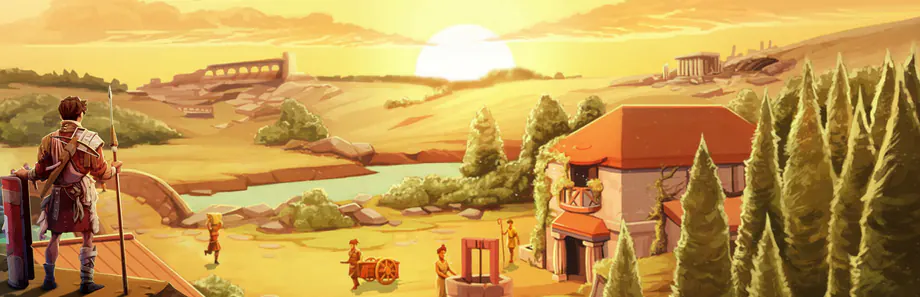
Romestead automation is useful only when it keeps the settlement calmer. A route that moves the wrong item away from food, crafting, or first-copy storage is not progress. If you searched for Romestead automation, start by building one small loop you can explain: source, storage, worker, route, destination, and stop rule.
Use Romestead Trading Post for trade-specific planning and Romestead tools when you want automation beside boss, biome, and god checks.
Last checked: June 3, 2026. Use the Logistics Tent for one source, one destination, and one safe resource before chaining a whole town. Exact route limits, worker behavior, carts, and item filters should be checked in the current Early Access build.
Quick Answer
Automate surplus, not survival. Keep food, first-copy boss drops, rare materials, and building goods protected until you understand what the route moves and when it stops.
Logistics Tent Setup
| Step | Current useful note |
|---|---|
| Build the tent | Plan for a small Lumber and Stone cost before testing routes |
| Open logistics | Use the Logistics Tent, Workbench, or Carpenter’s Workshop |
| Link one route | Drag one building output into another building input |
| Test one item | Start with Stone, Lumber, Wheat, or another safe surplus |
| Watch storage | Stop if fuel, food, pots, or rare materials move unexpectedly |
For fuel-heavy buildings, broad links can overfill one destination if you chain too much at once. Test a single Quarry-to-building fuel route before trusting a whole production chain.
Automation Loop Table
| Loop piece | Question to answer |
|---|---|
| Source | Where does the item come from? |
| Storage | Where should first copies and reserves stay? |
| Worker or route | Who moves it, and how often? |
| Destination | Is it trade, crafting, food, shrine, or building support? |
| Stop rule | When should the route pause? |
| Review | What changed after one day or one trip? |
What To Automate First
| Route | Risk | Good first test? |
|---|---|---|
| Surplus common material | Low | Yes, if reserves stay protected |
| Food route | Medium | Only after citizens and players are fed |
| Crafting input | Medium | Good if the building cannot starve other stations |
| Boss material | High | No, store first copies manually |
| Rare biome material | High | No, test only after the route is understood |
| Trade route | Medium | Good if it cannot drain settlement basics |
| Quarry fuel route | Medium | Test one destination first; do not let coal starve other stations |
| Concrete chain | High | Wait until University research, Volcanic Ash, Clay, water, and barrels are understood |
First-Copy Protection
Before automating any route, store one copy of every new item manually. That includes boss drops, biome materials, rare foods, shrine items, and crafting unlocks. Once the first copy is protected, decide whether extras can move.
| Item type | Automation rule |
|---|---|
| Food | Keep a reserve before trade or crafting |
| Boss drops | Store first copies, check crafting and gods |
| Building goods | Reserve enough for the next building |
| Trade goods | Move only confirmed surplus |
| Unknown items | Do not automate yet |
Co-op Automation Rules
| Rule | Why |
|---|---|
| One player owns route checks | Prevents hidden drains |
| Label storage by purpose | Food, crafting, trade, and first copies need separation |
| Pause routes before bosses | Boss prep can need materials suddenly |
| Review after new biomes | New items can enter old routes by mistake |
| Do not export emergency food | Survival beats profit |
Route Audit After One Day
Automation needs review. After a route runs for one day or one trade cycle, check whether the town is actually better. A route that creates coins but empties food, crafting input, or shrine materials is a bad route.
| Audit question | Good sign | Warning sign |
|---|---|---|
| Did food stay above reserve? | Players and citizens still have meals | Food vanished into trade or crafting |
| Did crafting improve? | Stations have enough input | One station starves another |
| Did storage stay readable? | Items are grouped by purpose | Everything moved into one mystery chest |
| Did rare items stay protected? | First copies remain stored | Boss or biome drops disappeared |
| Did co-op feel calmer? | Roles are clearer | Players argue over missing items |
Stop Rules
Every automation route needs a stop rule. Without one, the route can keep moving goods after the original reason is gone.
| Route type | Stop rule |
|---|---|
| Food route | Stop when reserve drops below the chosen buffer |
| Trade route | Stop before building materials fall below next-build cost |
| Crafting input | Stop when another station needs the same item |
| Biome material | Stop until first-copy and recipe checks are done |
| Boss material | Manual storage only until all uses are known |
Automation And Buildings
Automation gets stronger when buildings are placed for short paths. Storage near farms, crafting, Trading Post routes, and citizen work areas reduces wasted time. If a route feels messy, the fix may be building placement rather than more workers.
| Building issue | Automation symptom | Fix |
|---|---|---|
| Storage too far | Workers waste time hauling | Add closer purpose storage |
| Roads missing | Routes feel slow or unsafe | Connect the town spine first |
| Crafting scattered | Inputs vanish between stations | Group related buildings |
| Farm outside defense | Food route becomes risky | Move or protect the route |
| Trade too early | Town basics disappear | Reserve food and building goods |
When Manual Is Better
Manual handling is better for new materials, boss drops, first seeds, unknown fish, shrine items, and anything tied to progression. Automation should handle boring surplus after the town understands the item. It should not decide what a new material is for.
Next Pages To Open
FAQ
Can you automate in Romestead?
Use automation as a current-build route check: Trading Post routes, citizen work, storage, and carts may all affect how much manual hauling your settlement needs.
What should I automate first?
Automate a low-risk surplus route first, not food, rare boss drops, or materials needed for buildings.
Can automation hurt the settlement?
Yes. A bad route can export food, hide rare materials, or starve crafting. Use stop rules and first-copy storage.
Is automation better in co-op?
Co-op makes automation easier to monitor, but only if one player owns route checks and storage rules.