Game Hub
Dinkum Guide Hub
Dinkum guide hub for beginner setup, licenses, animals, mining, map routes, and money making strategies for efficient outback town progression.
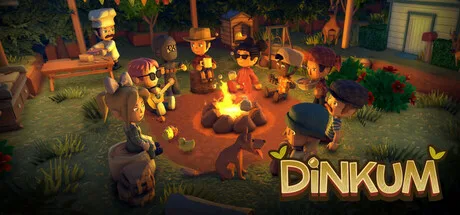
Dinkum is an Australian-themed life and town-building sim developed by James Bendon, released in 1.0 in December 2024 after a successful Early Access period. You arrive on an uninhabited outback island and build a town from scratch: recruiting visiting NPCs, buying licences to access better tools, mining for materials, farming seasonal crops, catching rare insects, hunting wildlife, and gradually converting wilderness into a functioning settlement.
The game feels open-ended but has a clear underlying priority system. Licences gate everything — without the right licence, you cannot buy the tool, and without the tool, you cannot access the next tier of income or construction. Players who miss this gate logic often spend weeks feeling stuck before realising the bottleneck is a single licence purchase, not a skill or exploration issue.
Last updated: May 9, 2026. Guide hub for practical progression help. Exact permit costs and NPC schedules are current as of the 1.0 release.
Quick Answer
If your Dinkum run is stalling, focus in this order:
- Buy the Mining Licence (250 Permit Points from Fletch) first — it unlocks the Pickaxe from John and opens the fastest early income path.
- Use the J key daily to check and complete daily objectives, which are the fastest source of Permit Points for more licences.
- Wait for Rayne to visit before starting farming — she sells seeds and the Hoe and Watering Can you need to plant anything.
- Push Crocos (9,600 Dinks each, respawn daily) as your main mid-game income source once you have the tools to hunt them consistently.
Guide Map
| Guide | What it covers | When to open it |
|---|---|---|
| Dinkum Beginner Guide | First week, Fletch / Rayne / John NPC roles, licence priorities, daily loop | Before your first session or when you feel stuck early |
| Dinkum Farming Guide | Farming Licence unlock, Rayne recruitment, crop plots, pumpkins and watermelons | After Rayne visits — do not try to farm before recruiting her |
| Dinkum Money Making | Bug catching, Croco hunting, deep mining, Commercial Licence, Animal Collection Points | When you need to fund a major upgrade or are underearning |
How the Licence System Works
Licences are the central progression mechanic in Dinkum. You buy them from Fletch at her tent using Permit Points earned from daily objectives, helping visitors, and completing tasks. Each licence unlocks specific tool categories from John’s shop, which then opens the next tier of activity.
| Licence | Permit cost | What it unlocks |
|---|---|---|
| Mining Licence (Tier 1) | 250 Permit Points | Pickaxe from John — essential for ore and cave access |
| Farming Licence (Tier 1) | 250 Permit Points | Seeds, Hoe, and Watering Can from Rayne |
| Commercial Licence | Higher cost | 5% permanent sell bonus on all item sales |
| Hunting Licence | Unlocked later | Weapons and traps for animals and Crocos |
The single most common mistake is trying to skip early licences and make progress through exploration alone. The outback map is large, but almost every productive activity requires a licence first.
NPC Roles
Three NPCs define the first week of any Dinkum save:
- Fletch — the starting NPC who sells licences in exchange for Permit Points. Talk to her every day. Her daily objectives (J key) are your primary Permit Point source.
- John — the shopkeeper who sells tools once you have the relevant licence. Mining tools require the Mining Licence; farming tools come from Rayne, not John.
- Rayne — visiting NPC who arrives and sets up a stall during her visit window. She sells seeds, the Hoe, and the Watering Can. Farming is impossible without her items.
Income Overview by Stage
| Stage | Best income source | Dinks estimate |
|---|---|---|
| Day 1–7 | Rare bug catching (blue moon butterfly, scarlet jezebel, harlequin butterfly) | Several thousand Dinks per outing |
| Week 2–3 | Selling first crops — pumpkins and watermelons | ~3,000 Dinks per crop |
| Mid game | Croco hunting | 9,600 Dinks per Croco, respawns daily |
| Ongoing | Commercial Licence sell bonus + Animal Collection Points | Compound improvement across all income |
Who Dinkum Is For
Dinkum suits players who enjoy town-building games where individual system mastery (mining, farming, hunting, licensing) feeds into a larger settlement goal. The game is slower-paced than combat-focused RPGs but faster-paced than pure relaxation sims. The license gate system and NPC visit schedules create a planning layer that rewards players who prefer structured progression over pure sandbox freedom. Co-op is supported throughout — the core loop translates well to split roles, where one player focuses on farming while another handles mining and hunting.
Common Early Mistakes
- Skipping daily objectives. The J key shows three rotating tasks that give Permit Points directly. Players who ignore them unlock licences two to three times slower than players who complete them.
- Starting farming before Rayne arrives. You cannot buy seeds or the Hoe until Rayne visits. Trying to set up a farm before her first visit wastes tilled land and time.
- Mining without a target material. Random cave exploration produces ore, but going in with a clear goal (copper for early tools, iron for mid upgrades) is significantly more efficient than general clearing.
- Undervaluing rare bugs. Bug catching with a net feels early-game, but rare species sell for several thousand Dinks each and require zero licence investment — they are the best no-cost income source in the first week.
Sources
FAQ
Which Dinkum guide should I read first?
Start with the beginner guide and license guide, then open mining or money making based on your bottleneck.
Why are licenses so important in Dinkum?
Licenses gate tool access, which gates speed, materials, and your ability to scale income.
Do these routes work in co-op play?
The core principles work in both solo and co-op, though role splitting can change pacing.